Budget-Friendly Minimalistic Home Decor Tips for Serenity
Discover how to create a serene and stylish minimalistic home on a budget, focusing on simplicity, functionality, and personal creativity.
Introduction
Minimalistic home decor is a design philosophy that emphasizes simplicity, functionality, and aesthetic cohesion. It is an approach that prioritizes the essentials, stripping away excess to create serene and uncluttered spaces. The importance of minimalism in interior design lies in its ability to foster a calming atmosphere and enhance everyday living by focusing on what truly matters.
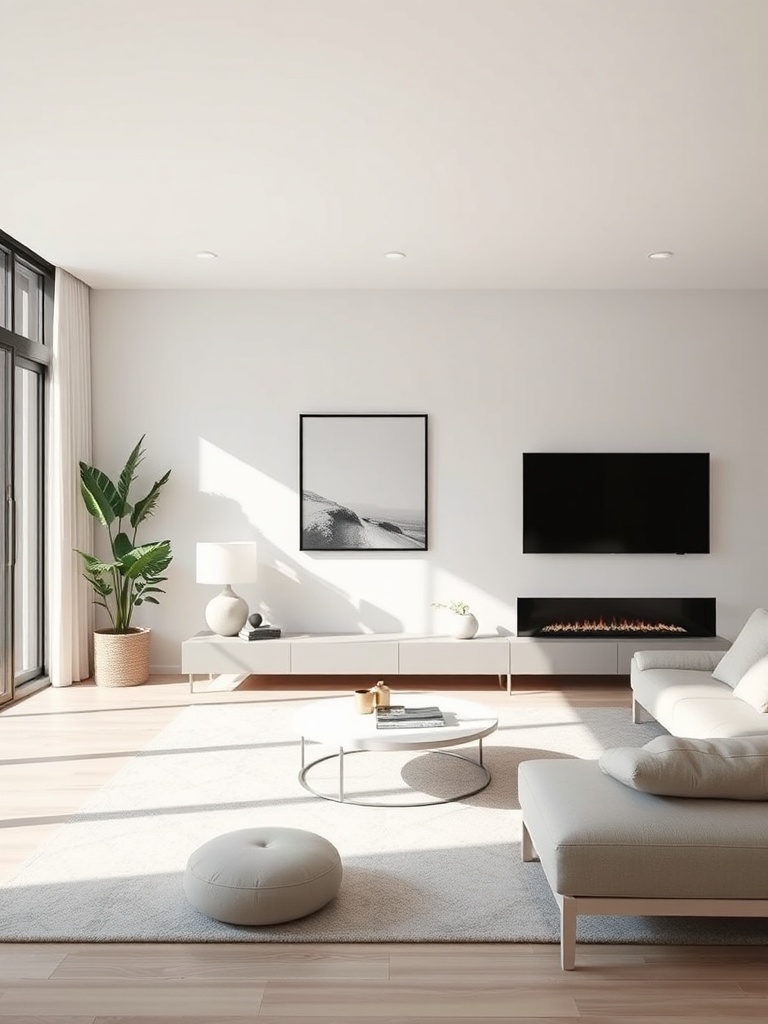
Among the many benefits of minimalistic decor, reducing clutter and stress stands out. A minimalist environment promotes mental clarity and peace, allowing individuals to focus on their daily activities without distractions. Furthermore, minimalism enhances aesthetic appeal by creating harmonious spaces that are pleasing to the eye.
For those looking to embrace minimalism without breaking the bank, achieving this style on a budget is entirely possible. Minimalistic design often emphasizes creativity over expense, encouraging innovative solutions that showcase personal style while maintaining financial prudence.
Understanding Minimalism
Key Principles of Minimalism
- Simplicity: A focus on clean lines and uncluttered spaces.
- Functionality: Each item serves a purpose, contributing to the overall utility of the space.
- Aesthetic Cohesion: A harmonious blend of colors, textures, and forms that work together.
The Psychology Behind Minimalism
The psychological benefits of minimalism extend beyond visual appeal. A minimalistic lifestyle can lead to improved mental well-being by reducing decision fatigue and stress. As individuals let go of excess possessions, they often find themselves making more intentional lifestyle choices, leading to a clearer mind and a more fulfilling life.
Budgeting for Minimalistic Decor
Setting a Realistic Budget
To successfully embrace minimalistic decor, it is crucial to set a realistic budget. This involves:
- Assessing your current financial situation.
- Identifying and allocating specific funds for decor purposes.
Prioritizing Needs vs. Wants
Understanding the distinction between needs and wants is essential for budget-friendly minimalism. To do this:
- Identify essential items that contribute to functionality and comfort.
- Avoid impulse purchases by giving yourself time to consider new items.
Decluttering Your Space
The Importance of Decluttering
Decluttering is a fundamental step in creating a minimalistic home.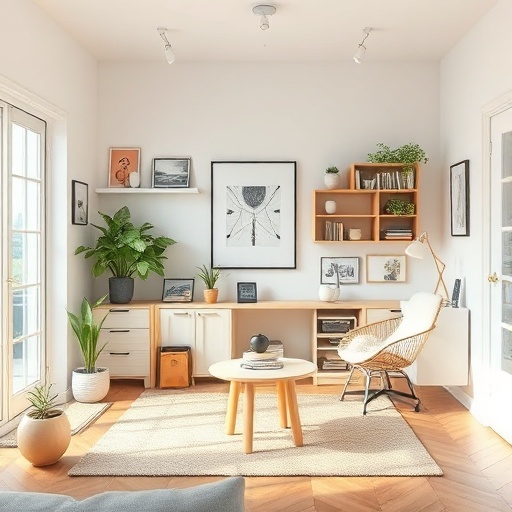
It opens up space for essential items and contributes to a tidy environment, which has significant psychological benefits. A clean space can lead to a clearer mind and increased productivity.
Steps to Declutter Effectively
To declutter effectively, follow these steps:
- Adopt a room-by-room approach, tackling one area at a time.
- Implement the "one in, one out" rule to maintain balance.
Creative Ways to Let Go of Items
When it comes to parting with possessions, consider these options:
- Donation and recycling options for items still in good condition.
- Selling items online through platforms such as eBay or Facebook Marketplace.
Choosing a Minimal Color Palette
The Power of Color in Minimalism
Color plays a significant role in minimalistic decor, impacting mood and perception.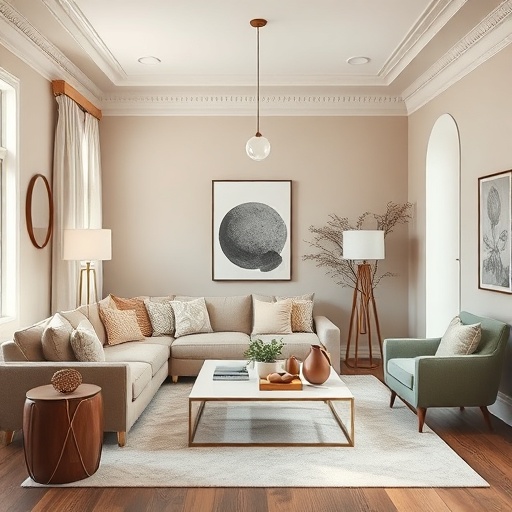
A well-chosen color palette can create a sense of calm and spaciousness.
Recommended Color Schemes
For a minimalistic home, consider these color options:
- Neutral Tones: Whites, grays, and beiges create a serene backdrop.
- Accent Colors: Use subtle accent colors to add interest without overwhelming the space.
Painting on a Budget
DIY painting is an excellent way to achieve a fresh look affordably. Here are some tips:
- Choose cost-effective paint brands that offer quality results.
- Consider painting accent walls for a budget-friendly update.
Selecting Minimalistic Furniture
Characteristics of Minimalistic Furniture
When selecting furniture, look for pieces that have:
- Clean lines and simple forms.
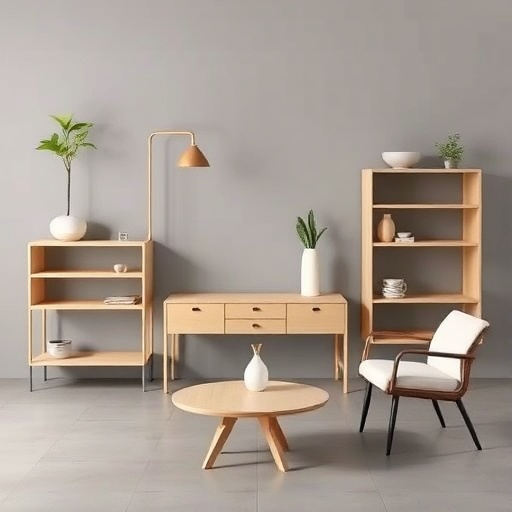
- Multi-functional uses to maximize space.
Shopping for Budget-Friendly Furniture
Finding budget-friendly furniture can be done by exploring:
- Thrift stores and flea markets for unique finds.
- Online marketplaces that specialize in second-hand items.
Essential Minimalistic Furniture Pieces
Focus on quality over quantity. Essential pieces include:
- Multi-functional furniture, such as sofa beds or storage ottomans.
- Minimalist designs that reflect your personal style without overcrowding the space.
Incorporating Natural Elements
Benefits of Natural Decor
Bringing natural elements into your home enhances tranquility and creates a connection to nature.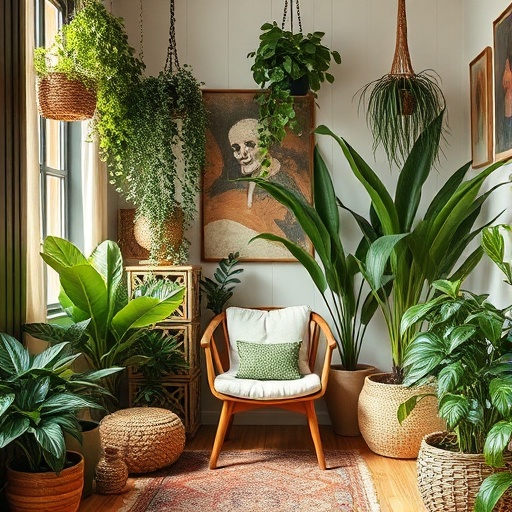
Natural decor can significantly improve your overall well-being.
Affordable Ways to Bring Nature Indoors
Consider these options for incorporating nature:
- Indoor plants that require minimal maintenance.
- Using natural materials like wood, stone, and organic textiles.
DIY Nature-Inspired Decor Ideas
Get creative with DIY projects:
- Create art using natural elements such as leaves or stones.
- Incorporate found objects into your decor for a unique touch.
Maximizing Space with Minimalism
The Importance of Space Planning
Effective space planning involves understanding flow and functionality. Consider the layout of each room to enhance usability and comfort.
Tips for Small Spaces
For small spaces, implement these strategies:
- Utilize vertical space by adding shelves or hanging plants.
- Choose furniture that is appropriately scaled to the room.
Storage Solutions for Minimalist Homes
Maximize storage with these creative solutions:
- Incorporate hidden storage options, like ottomans with compartments.
- Adopt creative organization methods to keep items neatly arranged.
Minimalist Lighting Choices
The Role of Lighting in Minimalism
Lighting is essential in creating ambiance and mood.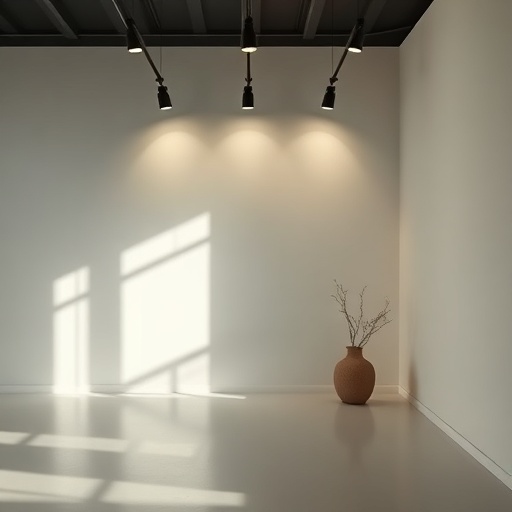
A well-lit space can enhance the minimalistic design while promoting a warm and inviting atmosphere.
Budget-Friendly Lighting Options
Explore these affordable lighting solutions:
- DIY lamps and fixtures that reflect your style.
- Utilize natural light by keeping windows unobstructed.
Layering Light Sources
Layering light sources can increase the functionality of your space. Combine:
- Ambient lighting for general illumination.
- Task lighting for focused activities.
- Accent lighting to highlight decor elements.
Accessorizing with Minimalism
The Art of Minimalist Accessories
Minimalist accessories should be impactful yet understated. Focus on quality pieces that complement your decor without overwhelming it.
Tips for Selective Accessorizing
When accessorizing, consider:
- Focusing on a few statement items that draw the eye.
- Seasonal decor ideas that can be easily rotated to prevent clutter.
Incorporating Personal Touches
Personal touches can be integrated into minimalist decor by:
- Displaying meaningful items that reflect your personality.
- Balancing personal elements with the overall minimalistic style.
Maintaining Your Minimalistic Space
Regular Decluttering Practices
To maintain a minimalist home, establish regular decluttering practices:
- Set a decluttering schedule to keep items in check.
- Develop habits that prevent clutter from accumulating.
Mindful Consumption
Be intentional with new purchases by:
- Evaluating the necessity of items before buying.
- Adopting a mindful approach to consumption.
Adapting to Changes
Life changes may require adjustments to your decor. Stay flexible with your minimalist approach as your needs evolve.
Conclusion
In summary, achieving minimalistic home decor on a budget involves embracing simplicity, functionality, and creativity. By focusing on essential items, utilizing natural elements, and maintaining a mindful approach to consumption, anyone can create a serene and stylish living space.
Embracing minimalism is a journey toward a simpler, more fulfilling home environment. With each step, you can cultivate a space that reflects your values and enhances your lifestyle.
Start your minimalistic decor journey today and enjoy the countless benefits of a simplified life.
Key Takeaways
- Embrace the principles of minimalism: simplicity, functionality, and aesthetic cohesion.
- Set a realistic budget and prioritize needs over wants.
- Declutter your space regularly to maintain a tidy environment.
- Choose a minimal color palette to enhance tranquility.
- Select budget-friendly, multi-functional furniture pieces.
- Incorporate natural elements for a calming effect.
- Utilize effective lighting and accessorizing techniques.
- Regularly evaluate and adapt your space as needed.
FAQ
What is minimalistic home decor?
Minimalistic home decor is a design approach that emphasizes simplicity and functionality, focusing on essential items and creating uncluttered spaces.
How can I achieve minimalism on a budget?
You can achieve minimalism on a budget by prioritizing needs over wants, shopping at thrift stores, and using DIY methods for decor and organization.
What are the benefits of minimalistic decor?
Benefits of minimalistic decor include reduced stress and clutter, improved mental well-being, and a more aesthetically pleasing living environment.
How do I declutter my space effectively?
To declutter effectively, adopt a room-by-room approach, implement the "one in, one out" rule, and consider donating or selling items you no longer need.
What color schemes work best for minimalistic decor?
Neutral tones like whites, grays, and beiges are ideal for minimalistic decor, with subtle accent colors to enhance visual interest without overwhelming the space.