Budget-Friendly Turkish Home Decor Tips for a Vibrant Space
Discover how to create stunning Turkish home decor on a budget with vibrant colors, intricate textiles, and practical tips for a warm, inviting space.
I. Introduction
The allure of Turkish home decor is undeniable, with its rich history, vibrant colors, and intricate designs.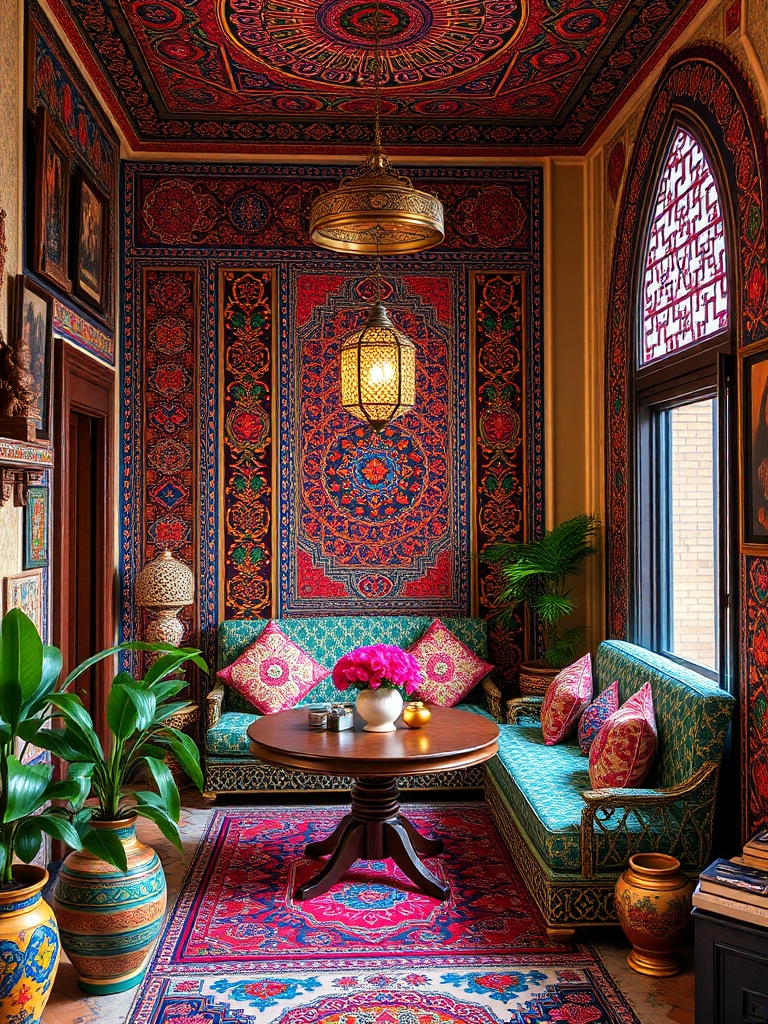
Creating a beautiful space on a budget is not only possible but can also be a rewarding experience. In this article, you will learn how to incorporate Turkish decor elements into your home without breaking the bank, allowing you to enjoy the beauty and warmth of this style.
II. Understanding Turkish Home Decor
A. Key characteristics of Turkish decor
- Rich colors and patterns: Turkish decor is known for its bold and vibrant colors that can transform any space.
- Use of textiles and rugs: Textiles play a vital role in adding warmth and character to Turkish interiors.
- Intricate ceramics and metalwork: Unique ceramics and metal pieces are essential for adding a touch of authenticity.
B. Historical influences on Turkish design
- Ottoman heritage: The rich history of the Ottoman Empire significantly influences Turkish decor.
- Regional variations in style: Different regions of Turkey contribute unique styles and designs to the overall decor.
III. Setting a Budget
A. Assessing your financial limits
- Determine your total budget.
- Allocate funds for key decor items.
B. Tips for sticking to your budget
- Prioritize must-have items: Focus on essential pieces that will define your space.
- Keep track of spending: Use a budgeting app or spreadsheet to monitor your expenses.
IV. Choosing a Color Palette
A. Traditional Turkish color schemes
- Deep reds, blues, and golds: These colors create a warm and inviting atmosphere.
- Earthy tones and vibrant accents: Incorporating earthy tones can balance the vibrant colors.
B. How to select a budget-friendly palette
- Use paint to refresh walls: A fresh coat of paint can transform your space at a low cost.
- Incorporate colorful accessories: Use cushions, curtains, and artwork to add color without major renovations.
V. Incorporating Textiles
A. The role of textiles in Turkish decor
- Importance of textiles in creating warmth: Textiles can significantly enhance comfort and aesthetics.
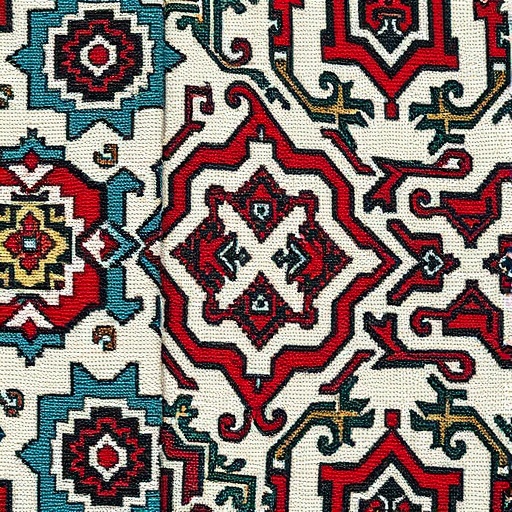
- Common textile patterns: Look for traditional patterns like kilims and suzanis to add authenticity.
B. Affordable textile sources
- Thrift stores and flea markets: Great places to find unique textiles at lower prices.
- Online marketplaces for handmade items: Websites like Etsy offer a variety of handmade textiles.
C. DIY textile projects
- Reupholstering furniture: Give old furniture a new life with beautiful Turkish fabrics.
- Making cushion covers: Simple sewing projects can add a personal touch.
VI. Selecting Furniture
A. Finding budget-friendly Turkish-style furniture
- Key pieces to look for: Focus on low seating and carved wood furniture.
- Where to shop for affordable options: Check out local furniture stores, second-hand shops, and online listings.
B. Repurposing and upcycling furniture
- Transforming old pieces with paint and hardware: A coat of paint can make a world of difference.
- Mixing modern and traditional styles: Create an eclectic look that reflects your personality.
VII. Decorating with Rugs
A. The significance of rugs in Turkish decor
- Types of traditional Turkish rugs: Look for kilims, prayer rugs, and Oushak rugs.
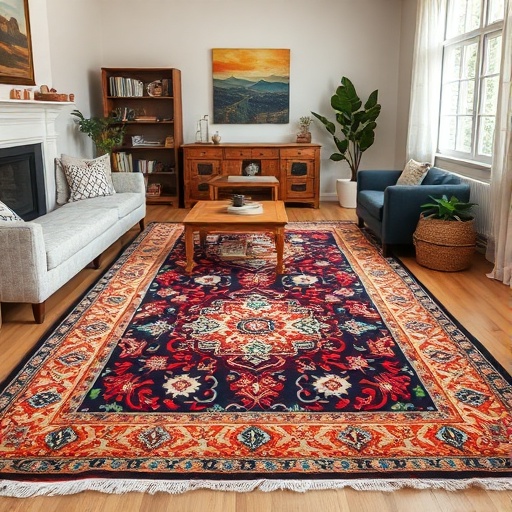
- How rugs add warmth and character: Rugs can tie a room together and make it feel cozy.
B. Sourcing affordable rugs
- Second-hand stores and online finds: Many affordable options can be found with a little patience.
- DIY rug projects: Consider creating your own rugs using fabric scraps or old textiles.
VIII. Accessorizing with Ceramics and Pottery
A. The beauty of Turkish ceramics
- Common designs and colors: Look for vibrant blues, reds, and intricate patterns.
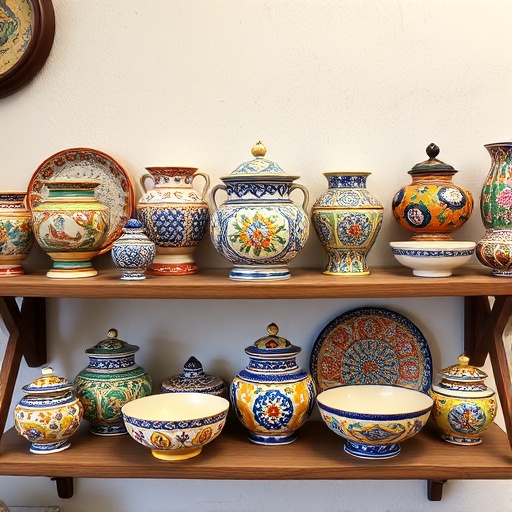
- How ceramics enhance a space: Decorative ceramics can serve as both functional and aesthetic elements.
B. Budget-friendly sourcing tips
- Local artisans and craft fairs: Support local artists by purchasing unique pieces.
- Thrift shops and antique markets: You can find hidden gems at these locations.
IX. Incorporating Natural Elements
A. The role of nature in Turkish design
- Use of plants and greenery: Indoor plants can liven up your space significantly.
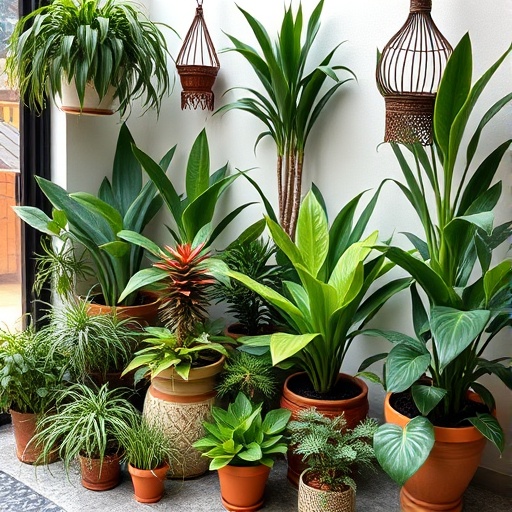
- Natural materials like wood and stone: Incorporating these materials can create a harmonious atmosphere.
B. Affordable ways to bring nature indoors
- DIY plant arrangements: Create unique arrangements using inexpensive pots and plants.
- Using reclaimed materials for decor: Build your own decor items using reclaimed wood and stones.
X. Lighting Choices
A. Importance of lighting in Turkish decor
- Traditional lighting fixtures: Look for lanterns, chandeliers, and sconces that reflect Turkish style.
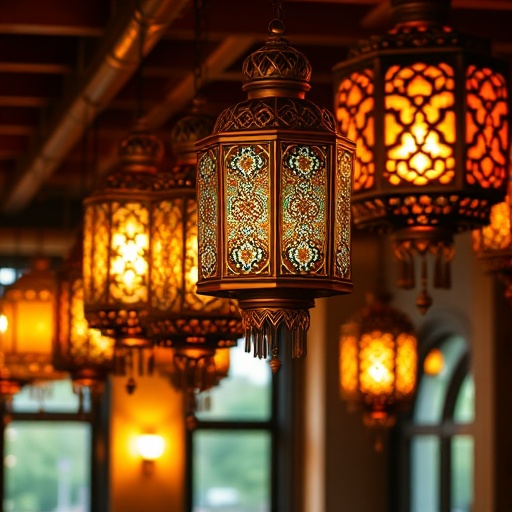
- Creating ambiance with light: Layer your lighting to enhance the atmosphere of your space.
B. Budget lighting options
- DIY lighting projects: Create unique lighting fixtures using inexpensive materials.
- Finding affordable fixtures: Browse local shops or online for budget-friendly options.
XI. Personal Touches and Artwork
A. Adding personal flair to your decor
- Family heirlooms and sentimental items: Incorporate meaningful pieces into your design.
- Creating a gallery wall with budget art: Use prints and photos to display your personality.
B. DIY art projects inspired by Turkish culture
- Painting or crafting unique pieces: Use your creativity to make art that resonates with you.
- Framing textiles as art: Showcase beautiful textiles in frames to create a stunning visual impact.
XII. Maintaining Your Turkish Decor
A. Tips for keeping your decor looking fresh
- Regular cleaning and maintenance: Keep your space tidy to maintain its beauty.
- Seasonal updates and adjustments: Refresh your decor with seasonal changes.
B. How to adapt your decor over time
- Swapping out accessories: Change out smaller decor items for a new look.
- Using versatile pieces: Choose items that can be styled in multiple ways.
Key Takeaways
- Turkish decor is characterized by rich colors, intricate textiles, and historical influences.
- Setting a budget is crucial for a successful decor project.
- Color palettes and textiles play significant roles in achieving the desired look.
- Furniture selection and accessorizing with ceramics enhance the overall decor.
- Bringing natural elements indoors and choosing appropriate lighting create a warm atmosphere.
- Personal touches and ongoing maintenance ensure your decor remains fresh and engaging.
Conclusion
In conclusion, embracing Turkish home decor on a budget is an achievable goal that allows you to express your creativity and resourcefulness. By understanding the key elements of this style and implementing practical tips, you can create a stunning space that reflects your personality and warmth. Remember to enjoy the process and let your unique style shine through!
FAQ
1. What are the key characteristics of Turkish home decor?
Turkish home decor is known for its rich colors, intricate patterns, and the use of textiles, ceramics, and metalwork. It often features a blend of traditional and modern elements.
2. How can I incorporate Turkish decor on a budget?
Start by setting a budget, prioritizing essential items, and sourcing affordable decor from thrift stores, flea markets, and online platforms. DIY projects can also help save money.
3. What colors are commonly used in Turkish decor?
Traditional Turkish color schemes often include deep reds, blues, and golds, along with earthy tones and vibrant accents that create warmth and richness.
4. Where can I find affordable Turkish-style rugs?
Look for second-hand stores, online marketplaces, and consider DIY projects to create unique rugs from old textiles.
5. How can I maintain my Turkish decor over time?
Regular cleaning, seasonal updates, and swapping out accessories can keep your decor looking fresh and engaging.