
Cozy Sleep Environment Ideas for Kids with Big Little Beds
Discover how the Big Little Bed concept creates a cozy sleep environment for kids, promoting independence and comfort for better sleep quality.
Creating a cozy sleep environment for children is essential for their growth and development. A well-designed sleep space can enhance their sleep quality and overall well-being. One innovative solution that has gained popularity among parents is the concept of the Big Little Bed. This article will explore the benefits of a big little bed setup and provide practical tips for creating the perfect sleep environment for your child.
Understanding the Big Little Bed Concept
Definition of Big Little Bed
The Big Little Bed is designed to bridge the gap between a crib and a standard bed.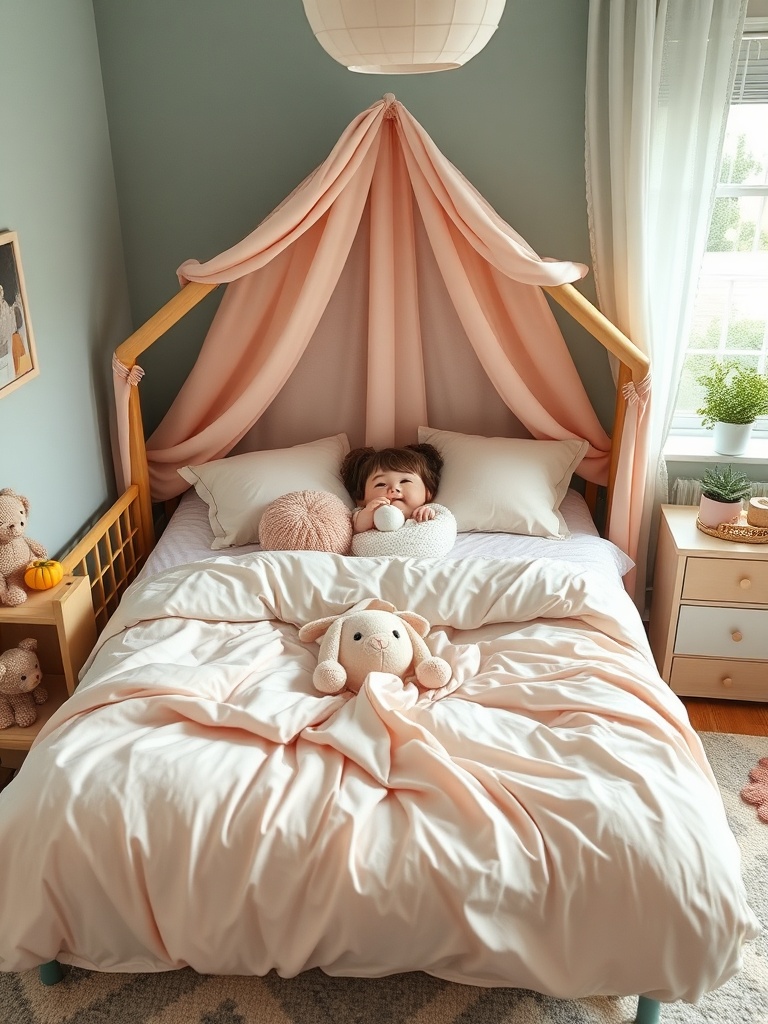
It typically features a larger sleeping surface than a crib while being lower to the ground, making it easier for children to climb in and out of bed independently.
- Size and Design: A big little bed often measures around 3 feet wide and 6 feet long, suitable for toddlers and young children.
- Differences from Traditional Beds: Unlike traditional beds, big little beds are designed for safety and accessibility, often featuring rounded edges and lower heights.
- Ideal Age Range for Usage: These beds are typically recommended for children aged 2 to 5 years old, transitioning from a crib to a more independent sleeping arrangement.
Benefits of a Big Little Bed
- Encourages Independence: Children can easily get in and out of bed, fostering a sense of autonomy.
- Provides Comfort and Security: The design offers a cozy and secure sleeping space that helps children feel safe at night.
- Versatile Sleeping Positions: The bed accommodates various sleeping positions, allowing children to find their comfort zone.
Selecting the Right Location for the Bed
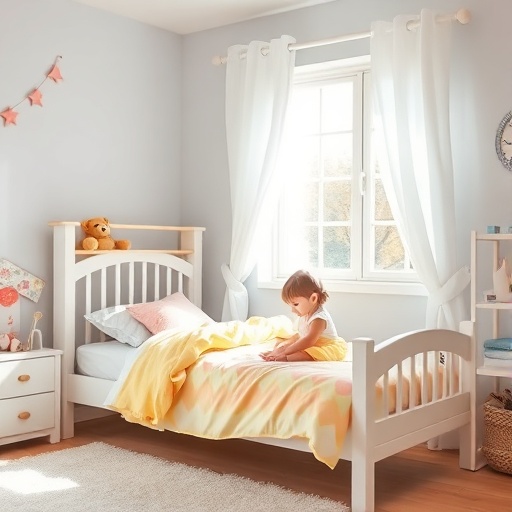
Consider Room Layout
Choosing the right location for the big little bed involves assessing the child's room layout. Here are some considerations:
- Assess Available Space: Ensure there is enough room for the bed and space for play.
- Optimal Positioning for Natural Light: Position the bed to benefit from natural light during the day.
- Avoiding Drafts and Noise: Choose a spot away from windows and noisy areas to promote better sleep.
Safety Considerations
- Keeping the Bed Away from Windows: This prevents accidental falls and ensures better safety.
- Ensuring a Clear Path Around the Bed: Keep the area around the bed free of obstacles.
- Securing Furniture to Prevent Tipping: Anchor bookshelves and dressers to the wall to enhance safety.
Choosing the Right Bed Frame
Types of Bed Frames for Kids
When selecting a bed frame for a big little bed, consider the following options:
- Wooden vs. Metal Frames: Wooden frames offer warmth and sturdiness, while metal frames are often lighter and easier to move.
- Platform Beds vs. Traditional Beds: Platform beds provide a modern look with built-in storage options.
- Adjustable Height Options: Some frames offer adjustable heights to grow with your child.
Design Aesthetics
Choosing a bed frame that matches your child's room decor can enhance the overall design:
- Matching with Room Decor: Select colors and styles that complement the existing furniture.
- Themes to Consider: Explore themes such as nautical, princess, or modern styles.
- Customization Options: Look for frames that allow for personal touches or modifications.
Selecting the Appropriate Mattress
Mattress Size and Type
Choosing the right mattress is crucial for your child's comfort and health:
- Recommended Sizes: Big little beds typically use twin-size mattresses.
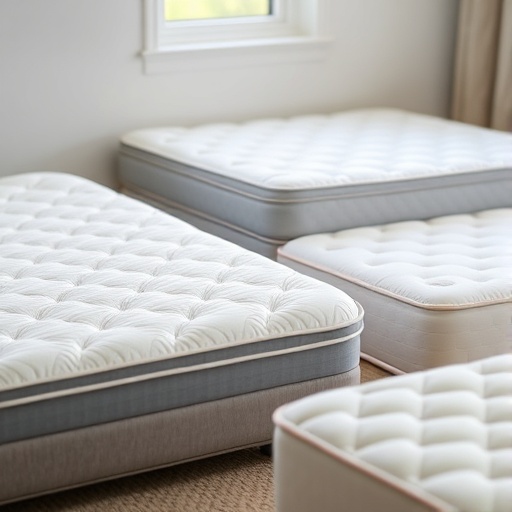
- Memory Foam vs. Innerspring: Memory foam offers contouring support, while innerspring provides a traditional feel.
- Importance of Firmness: A firmer mattress is generally recommended for growing children to support their developing bodies.
Mattress Protectors and Covers
Using mattress protectors can prolong the life of the mattress:
- Benefits of Mattress Protectors: They shield against spills, allergens, and dust mites.
- Selecting Hypoallergenic Materials: Opt for materials that are safe for sensitive skin.
- Easy-to-Clean Options: Look for machine-washable covers for convenience.
Creating a Cozy Bedding Ensemble
Choosing the Right Sheets
The right sheets can make a significant difference in comfort:
- Fabric Options: Cotton and flannel are popular choices for their softness and breathability.
- Importance of Softness: Soft sheets contribute to a better sleeping experience.
- Color Schemes and Patterns: Choose colors and patterns that appeal to your child’s preferences.
Comforters and Duvets
When selecting comforters and duvets, consider:
- Selecting the Right Weight: Choose lighter options for summer and heavier ones for winter.
- Fun Designs: Look for comforters that inspire imagination, such as animal prints or space themes.
- Layering Options: Layering bedding can add warmth and texture to the bed.
Pillows and Cushions
Pillows and cushions are essential for comfort:
- Types of Pillows: Choose pillows that are specifically designed for children's neck and head support.
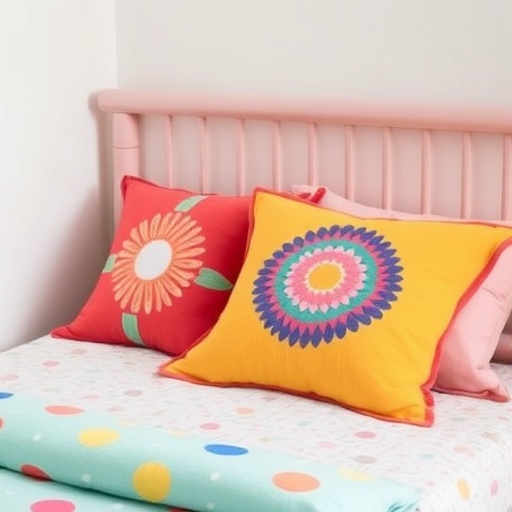
- Importance of Support: The right pillow helps maintain proper spinal alignment.
- Decorative Cushions: Add decorative cushions for comfort and style.
Adding Personal Touches
Themed Bedding and Accessories
Incorporating personal touches can make the bed feel special:
- Favorite Characters or Themes: Bedding featuring beloved characters can enhance the child's connection to their space.
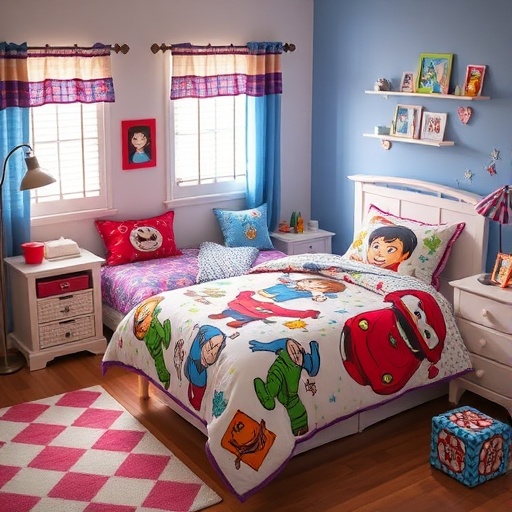
- Customizable Options: Consider personalized bed linens with your child's name.
- Importance of Choice: Allowing kids to choose their bedding can make them feel more invested in their sleep space.
Wall Decor and Room Accessories
Enhancing the room with decor can create a cozy atmosphere:
- Ideas for Wall Art: Use art that complements the bed, such as playful prints or inspirational quotes.
- Functional Items: Incorporate bookshelves and nightstands for practicality.
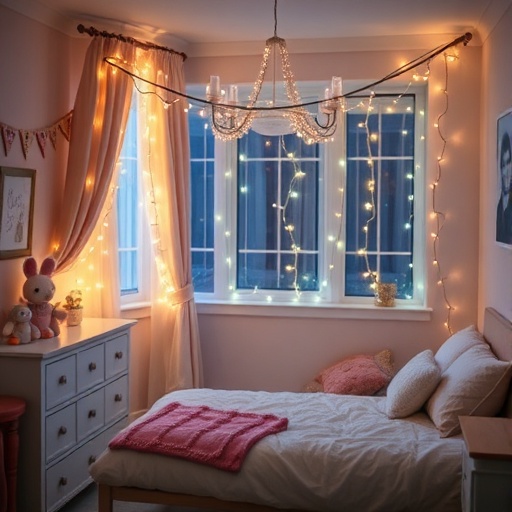
- Soft Lighting Options: Use fairy lights or lamps to create a calming ambiance.
Enhancing Comfort with Textiles
Rugs and Carpets
Adding rugs can enhance the comfort of the room:
- Non-Slip Options: Safety is paramount; choose rugs that won't slip easily.
- Soft Textures: Opt for plush materials that feel good underfoot.
- Colorful Designs: A vibrant rug can brighten the space and add warmth.
Curtains and Blinds
Window treatments play a crucial role in creating a cozy sleep environment:
- Importance of Blackout Curtains: These can block out light, promoting better sleep.
- Choosing Matching Materials: Select curtains that harmonize with the room's theme.
- Practical Considerations: Ensure they are easy to open and close for convenience.
Incorporating Functional Elements
Storage Solutions
Efficient storage is vital for keeping the room organized:
- Under-Bed Storage: Utilize space under the bed for toys and clothes.
- Shelving Units: Incorporate shelves for books and decorative items.
- Baskets and Bins: Use these for easy organization and quick clean-ups.
Nighttime Essentials
Including nighttime essentials can enhance the bedtime experience:
- Nightlights: Provide comfort and safety in the dark.
- Kid-Friendly Alarm Clocks: Look for clocks designed for children to help them learn time management.
- Bookshelves: Encourage reading with a dedicated space for bedtime stories.
Establishing a Cozy Sleep Routine
Importance of Consistency
Establishing a consistent bedtime routine is crucial for healthy sleep habits:
- Benefits of a Regular Routine: Consistency helps signal to children that it is time to wind down.
- Cozy Bed Setup: A well-designed bed supports good sleep practices.
- Transitioning to the Big Little Bed: Gradually introduce the bed to make the transition smoother.
Creating a Relaxing Atmosphere
Creating a calming environment is key to promoting sleep:
- Soft Music or White Noise: These can help mask disruptive sounds.
- Calming Pre-Bedtime Activities: Engage in quiet activities, such as reading or drawing, before bed.

- Keeping the Room Tidy: A clutter-free environment can lead to better sleep.
Maintenance and Care for the Bed Setup
Regular Cleaning Practices
Maintaining a clean sleep environment is essential:
- Washing Bedding: Regularly wash sheets, pillowcases, and comforters to keep them fresh.
- Cleaning the Mattress: Consider vacuuming the mattress and spot cleaning as needed.
- Dust Mite Prevention: Use protective covers and wash bedding frequently to reduce allergens.
Safety Checks
Regular safety checks are important as your child grows:
- Inspecting the Bed: Regularly check for loose screws or wear and tear.
- Ensuring All Components Are Secure: Make sure that all furniture and accessories are stable.
- Updating Items: As your child grows, consider updating bedding and accessories for their evolving needs.
Key Takeaways
- Creating a cozy sleep environment for children is crucial for their development.
- The big little bed concept supports independence and comfort.
- Choosing the right location, bed frame, and mattress can enhance the sleep experience.
- Incorporating personal touches makes the space unique to each child.
- Establishing a consistent bedtime routine supports healthy sleep habits.
Conclusion
In conclusion, a cozy big little bed setup offers numerous benefits for children's sleep and overall well-being. By personalizing the space to reflect each child's personality and preferences, you can create an environment that promotes restful nights. Remember, a good night's sleep is essential for children's growth and happiness.
Frequently Asked Questions
What age is appropriate for transitioning to a big little bed?
The big little bed is typically suitable for children aged 2 to 5 years old, providing an ideal transition from a crib.
How do I choose the right mattress for my child's big little bed?
It's important to select a mattress that is firm enough to support growing children, with options ranging from memory foam to innerspring.
What are the best materials for bedding and mattress covers?
Opt for hypoallergenic, breathable materials like cotton or bamboo for bedding and covers to ensure comfort and safety.
How can I personalize my child's bed setup?
Incorporate themed bedding, allow your child to choose decor elements, and add personal touches like wall art or customized bed linens.
What safety measures should I consider with a big little bed?
Ensure the bed is positioned away from windows, check for secure furniture, and maintain a clear path around the bed for safety.