
Create a Beautiful Indoor Garden with Easy Houseplants
Transform your space with a stunning indoor garden using easy houseplants that boost mental health and elevate your home's air quality.
How to Create a Stunning Indoor Garden with Easy Houseplants
I. Introduction
Importance of indoor gardening
- Benefits for mental health and well-being
- Improvement of indoor air quality
Overview of easy houseplants
- Definition of easy houseplants
- Appeal to beginners and busy individuals
Purpose of the article
- Guide readers through creating their indoor garden
- Inspire creativity and personal expression
II.
Choosing the Right Space for Your Indoor Garden
Assessing light conditions
- Natural light availability
- Importance of bright indirect light
Selecting the right location
- Kitchen, living room, or workspace considerations
- Proximity to windows and airflow
Planning for temperature and humidity
- Ideal temperature ranges for houseplants
- Using humidity trays or misting to maintain moisture
III.
Selecting Easy Houseplants
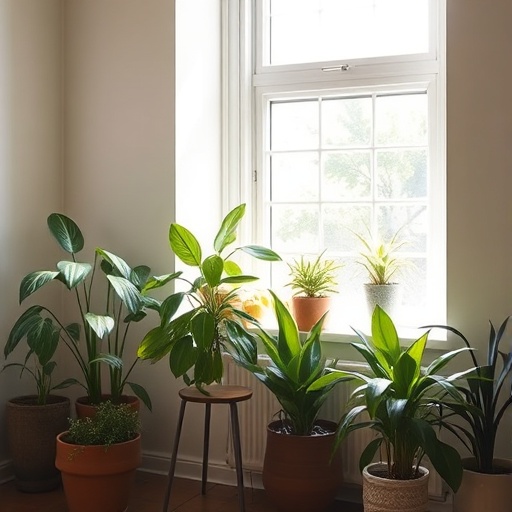
Popular easy houseplants for beginners
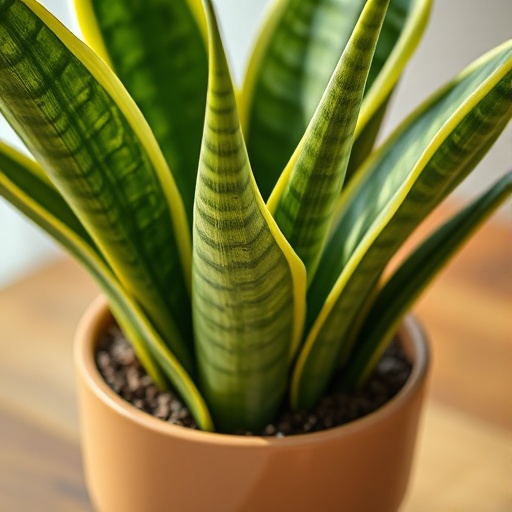
- Snake Plant (Sansevieria)
- Pothos (Epipremnum aureum)
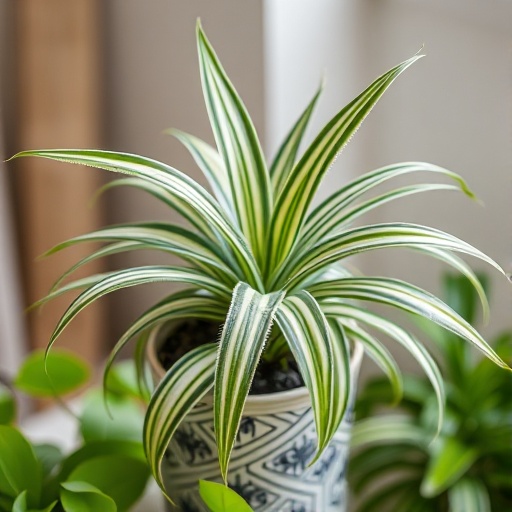
- Spider Plant (Chlorophytum comosum)
Factors to consider when choosing plants
- Size, growth rate, and maintenance requirements
- Aesthetic preferences and personal style
Understanding plant compatibility
- Grouping plants with similar care needs
- Avoiding toxic plants for pets and children
IV.
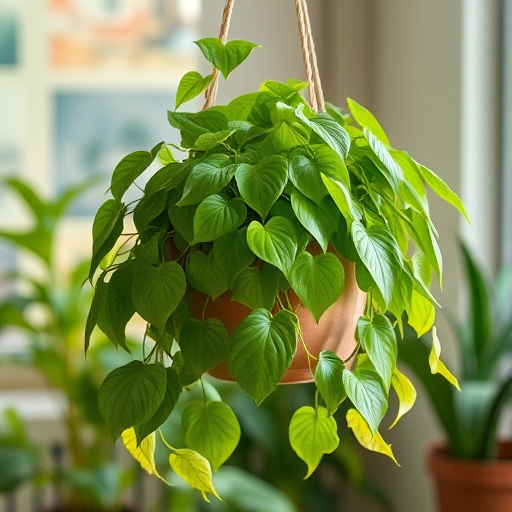
Essential Supplies for Indoor Gardening
Choosing the right pots and containers
- Drainage holes and materials
- Size considerations for plant growth
Soil and fertilizers
- Types of potting soil suitable for houseplants
- When and how to fertilize your plants
Tools and accessories
- Basic gardening tools (trowel, pruning shears)
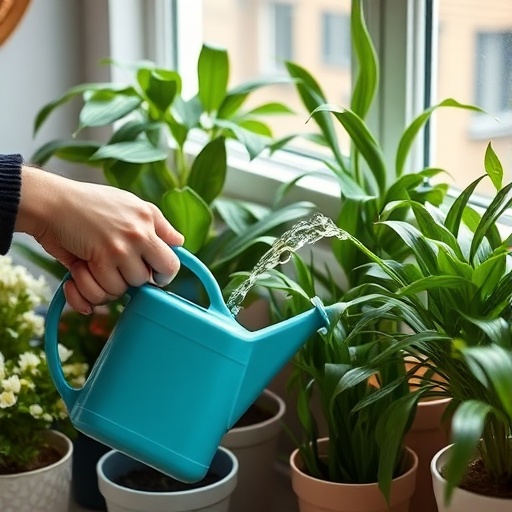
- Optional accessories (watering can, humidity meters)
V.
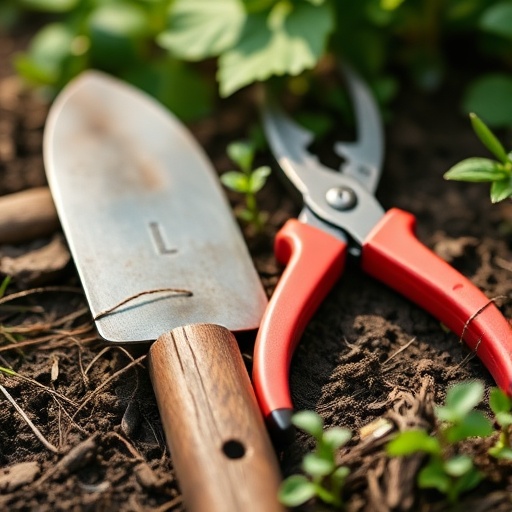
Planting Your Indoor Garden
Step-by-step planting guide
- Preparing pots and soil
- Transplanting from nursery pots to containers
Arranging plants for visual appeal
- Layering plants based on height and texture
- Using plant stands and shelves for elevation
Creating focal points
- Using statement plants to draw attention
- Incorporating decorative elements (vases, sculptures)
VI. Caring for Your Indoor Garden
Watering practices
- Understanding plant water needs
- Signs of overwatering and underwatering
Light requirements and adjustments
- Rotating plants for even light exposure
- Using artificial grow lights if necessary
Pruning and maintenance tips
- Regularly removing dead leaves and stems
- Encouraging bushier growth through pruning
VII.
Troubleshooting Common Plant Problems
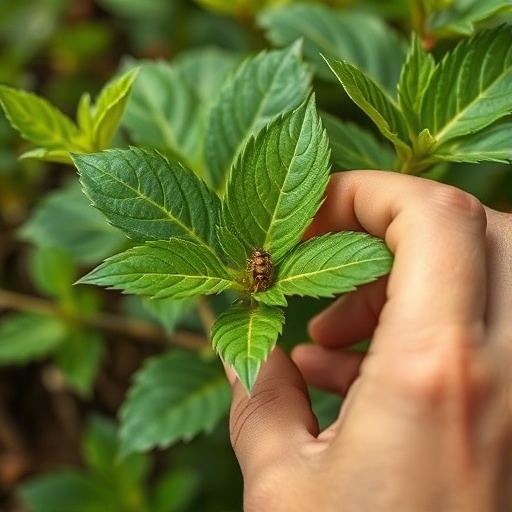
Identifying pests and diseases
- Common pests (aphids, spider mites)
- Signs of disease (yellowing leaves, mold)
Solutions for pest control
- Natural remedies and insecticidal soaps
- Quarantine practices for new plants
Dealing with plant stress
- Recognizing signs of stress (leaf drop, stunted growth)
- Adjusting care routines to alleviate issues
VIII.
Enhancing Your Indoor Garden Aesthetics
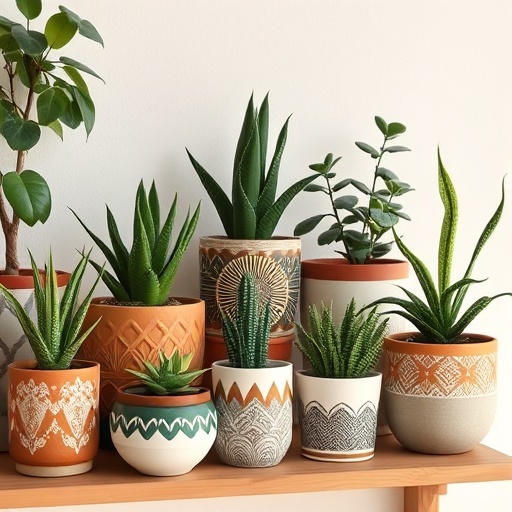
Using decorative pots and containers
- Choosing colors and styles that match your décor
- DIY pot painting ideas
Adding accessories for visual interest
- Incorporating stones, crystals, or driftwood
- Using terrariums and glass containers
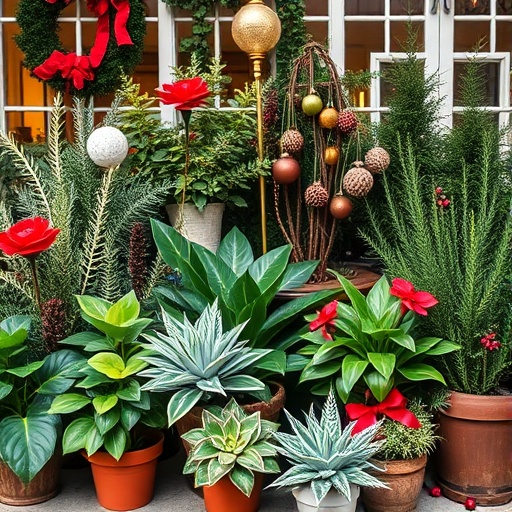
Creating themed displays
- Seasonal displays with holiday decorations
- Color-coordinated plant arrangements
IX.
Seasonal Care for Indoor Plants
Adjusting care during different seasons
- Watering frequency in winter vs. summer
- Light adjustments for shorter daylight hours
Preparing plants for seasonal changes
- Protecting from drafts in colder months
- Moving plants outdoors in warmer weather
Seasonal plant additions
- Popular houseplants to consider for each season
- Incorporating flowering plants for seasonal blooms
X. Conclusion
Recap of the benefits of indoor gardening
- Personal satisfaction and joy from plant care
- Positive impact on living spaces
Encouragement to get started
- Overcoming initial hesitations
- Emphasizing the journey of learning and growth
Invitation to share experiences
- Encouraging readers to share their indoor garden stories
- Building a community around indoor gardening
Key Takeaways
- Indoor gardening is beneficial for mental health and air quality.
- Choosing easy houseplants can empower beginners.
- Proper care includes understanding light, temperature, and watering needs.
- Decorative elements enhance the beauty of your indoor garden.
- Seasonal care adjustments are essential for plant health.
Frequently Asked Questions (FAQ)
1. What are the best easy houseplants for beginners?
Some of the best easy houseplants for beginners include the Snake Plant, Pothos, and Spider Plant due to their low maintenance and resilience.
2. How often should I water my indoor plants?
Watering frequency depends on the plant type and environmental conditions, but a general rule is to water when the top inch of soil feels dry.
3. How do I know if my plant is getting enough light?
If your plant is stretching towards the light, has slow growth, or displays yellowing leaves, it may not be receiving sufficient light.
4. Can I keep houseplants if I have pets?
Yes, but it’s essential to choose non-toxic houseplants to ensure the safety of your pets.
5. What should I do if my plant gets pests?
Identify the pest, remove it manually if possible, and consider using natural remedies or insecticidal soap to treat the infestation.