Create a Stunning Home Decor Brand on a Budget
Learn how to create a stunning home decor brand on a budget with effective strategies for branding, marketing, and customer engagement.
How to Create a Stunning Home Decor Brand on a Budget
Introduction
The home decor industry is a vibrant and dynamic market, offering substantial potential for new brands to emerge. With the rise of online shopping and social media, the opportunity to carve out a niche in this competitive field has never been greater. However, establishing a successful brand requires more than just creative ideas; effective branding is paramount in the home decor market. Fortunately, starting a brand on a budget is entirely feasible with the right approach and strategies.
Understanding Your Niche
Identifying your target audience
- Demographic characteristics: Consider age, gender, income level, and location.
- Psychographic characteristics: Analyze values, interests, and lifestyle preferences.
- Buying behaviors: Understand how your audience shops and what influences their decisions.
Researching current home decor trends
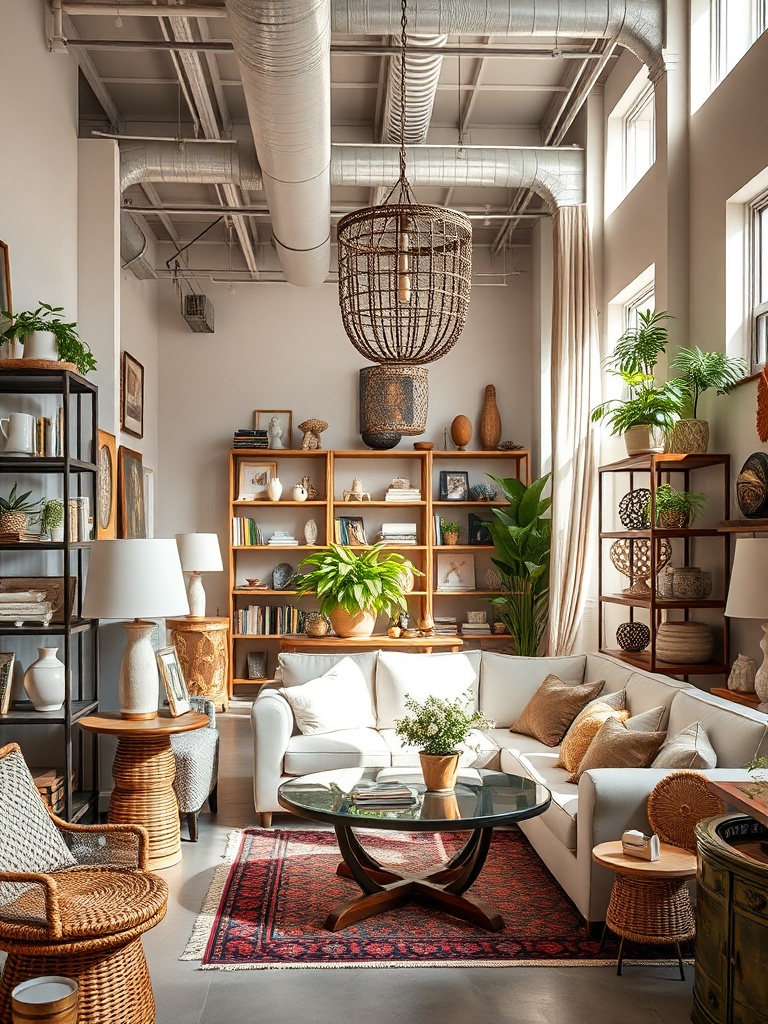
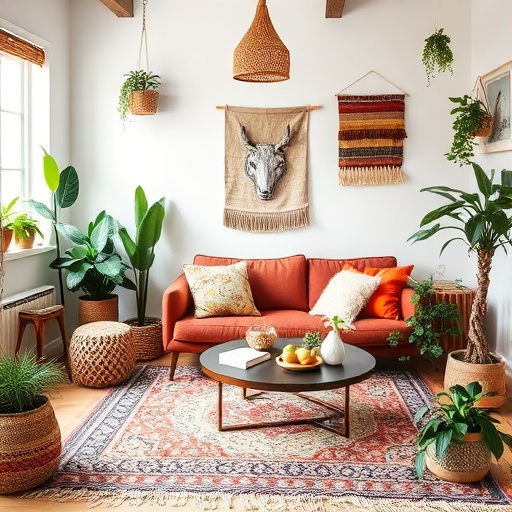
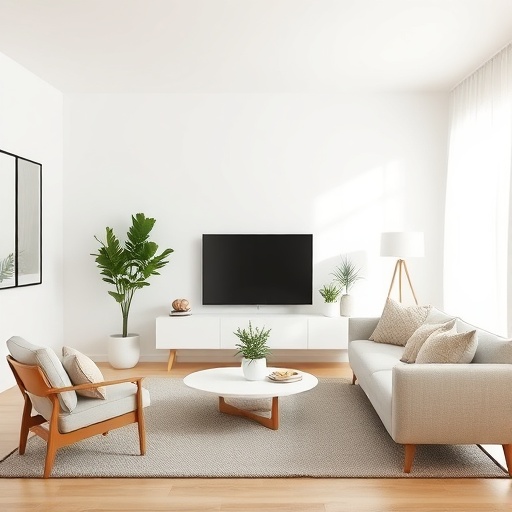
- Popular styles: Investigate trending themes such as minimalism, bohemian, or industrial.
- Competitor analysis: Examine successful brands in your niche to identify their strategies.
Assessing gaps in the market
- Underserved needs: Identify customer pain points that are not currently addressed.
- Unique offerings: Think about how you can differentiate your products from existing options.
Crafting a Unique Brand Identity
Establishing your brand mission and vision
- Core values: Define what your brand stands for and what it aims to achieve.
- Brand story: Create a compelling narrative that resonates with your audience.
Designing a memorable brand name and logo
- Name selection: Choose a name that reflects your brand’s essence and is easy to remember.
- Logo design: Utilize free or affordable design tools to create a professional logo.
Developing a cohesive visual style
- Color palettes: Select colors that align with your brand identity.
- Typography: Choose fonts that enhance readability and convey your brand’s personality.
- Templates: Create design templates to ensure consistency across your marketing materials.
Budget-Friendly Product Sourcing
Exploring DIY options for decor items
- Creative projects: List projects such as upcycling furniture or creating handmade decor.
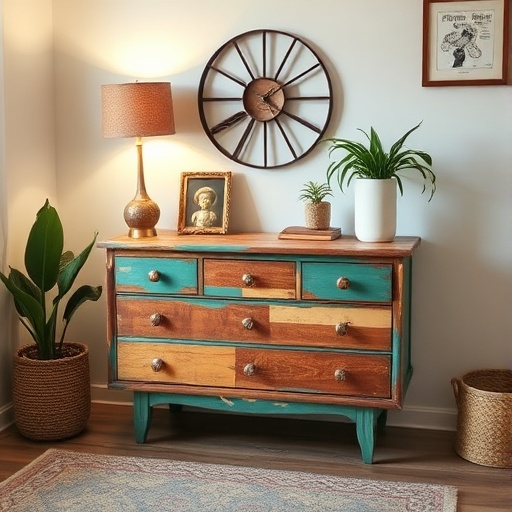
- Resources: Share websites where affordable DIY materials can be sourced.
Finding affordable suppliers and manufacturers
- Negotiation tips: Learn how to negotiate prices and build long-lasting relationships.

- Online platforms: Identify sites such as Alibaba or Etsy for sourcing materials.
Considering dropshipping as a budget solution
Dropshipping is a retail fulfillment method where a store doesn’t keep the products it sells in stock. Instead, when you sell a product, you purchase the item from a third party and have it shipped directly to the customer.
- Advantages: Lower inventory costs and reduced risk.
- Selecting partners: Choose reliable dropshipping partners to ensure quality service.
Building an Online Presence
Setting up your website on a budget
- Website builders: Compare platforms like WordPress, Wix, and Shopify for affordability.
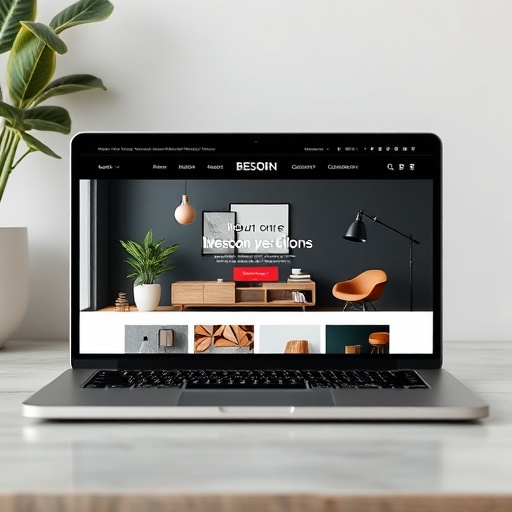
- Key elements: Include a portfolio, blog, contact information, and an e-commerce section.
Utilizing social media to promote your brand
- Platform selection: Identify which social media platforms align with your niche (e.g., Instagram, Pinterest).
- Content creation: Develop engaging content that attracts and retains followers.
Starting a blog to boost SEO and engage audiences
- Content ideas: Write about home decor tips, DIY projects, and style guides.
- Keyword optimization: Use SEO tools to identify relevant keywords for your content.
Marketing Strategies on a Budget
Leveraging influencer marketing
- Finding micro-influencers: Research influencers with niche audiences that align with your brand.
- Building partnerships: Create mutually beneficial arrangements that enhance visibility.
Utilizing email marketing effectively
- Email list: Build a list through lead magnets like freebies or exclusive content.
- Newsletter best practices: Craft compelling emails that engage your audience.
Engaging in community groups and forums
- Relevant platforms: Join groups on Facebook or Reddit focused on home decor.
- Meaningful participation: Share insights and advice without overtly selling your products.
Creating Compelling Content
Developing visually appealing product photography
- Photography tips: Use natural lighting and simple backdrops for high-quality images.
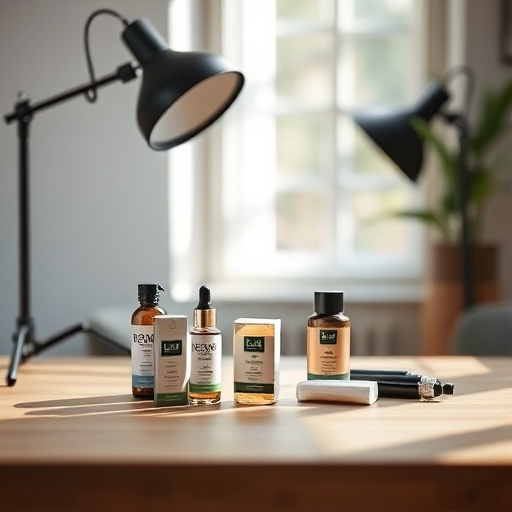
- Staging: Arrange products attractively to enhance appeal.
Writing persuasive product descriptions
- Key elements: Include features, benefits, and usage ideas in descriptions.
- Storytelling techniques: Create narratives that connect emotionally with potential customers.
Creating video content to showcase products
- Video formats: Consider tutorials, unboxings, and behind-the-scenes looks.
- Tools and apps: Use free tools like Canva or iMovie for video creation.
Customer Engagement and Retention
Building a community around your brand
- Social media groups: Create spaces for customers to share ideas and experiences.

- Online events: Host workshops or webinars to engage your audience.
Providing exceptional customer service
- Response strategies: Address inquiries promptly and courteously.

- Personalization: Tailor interactions to enhance the customer experience.
Implementing referral programs
- Encouraging referrals: Motivate satisfied customers to refer friends and family.
- Incentives: Offer discounts or rewards for successful referrals.
Monitoring and Evaluating Brand Performance
Setting measurable goals and KPIs
- Defining success: Establish clear metrics to track brand performance.
- Tracking tools: Utilize analytics tools like Google Analytics for insights.
Gathering customer feedback for improvement
- Feedback methods: Use surveys and reviews to gather customer opinions.
- Adaptability: Be willing to make changes based on constructive feedback.
Staying updated with industry trends
- Continuous learning: Attend webinars and read industry publications.
- Networking: Connect with other home decor professionals for insights and support.
Key Takeaways
- Start by understanding your target audience and niche.
- Craft a unique brand identity that resonates with your customers.
- Utilize budget-friendly sourcing and marketing strategies.
- Engage with customers to build loyalty and community.
- Continuously monitor performance and adapt to market changes.
Conclusion
In conclusion, creating a stunning home decor brand on a budget is not only possible but also a rewarding endeavor. By focusing on your unique niche, developing a strong brand identity, and employing strategic marketing methods, you can establish a successful brand. Remember, creativity and resourcefulness are your greatest assets in this journey. Take the first step today, and let your passion for home decor shine!
FAQ
1. How do I identify my target audience for a home decor brand?
Start by defining demographic characteristics such as age, gender, and income. Conduct surveys and research to understand their lifestyle preferences and buying behaviors.
2. What are some budget-friendly marketing strategies?
Consider leveraging micro-influencer partnerships, utilizing email marketing with lead magnets, and engaging in relevant community groups without being overly salesy.
3. How can I create a strong brand identity?
Establish a clear brand mission and vision, choose a memorable name and logo, and maintain a cohesive visual style across all platforms.
4. What are the advantages of using dropshipping for my home decor brand?
Dropshipping allows you to sell products without holding inventory, reducing risk and upfront costs while providing flexibility to test different products.
5. How can I improve customer engagement?
Create a community around your brand through social media groups, provide exceptional customer service, and implement referral programs to encourage word-of-mouth marketing.