Create Stunning Rentry Dividers for Any Space
Discover how to create stunning Rentry dividers that enhance functionality and style in any space with our comprehensive guide.
Dividers play a crucial role in interior design, offering not only functionality but also an opportunity to express personal style. Rentry dividers, in particular, are versatile elements that can transform any space, whether at home or in an office. This article will guide you through the process of creating stunning Rentry dividers tailored for any space.
Understanding Rentry Dividers
Rentry dividers are movable partitions that can be used to define spaces within a room without the need for permanent walls.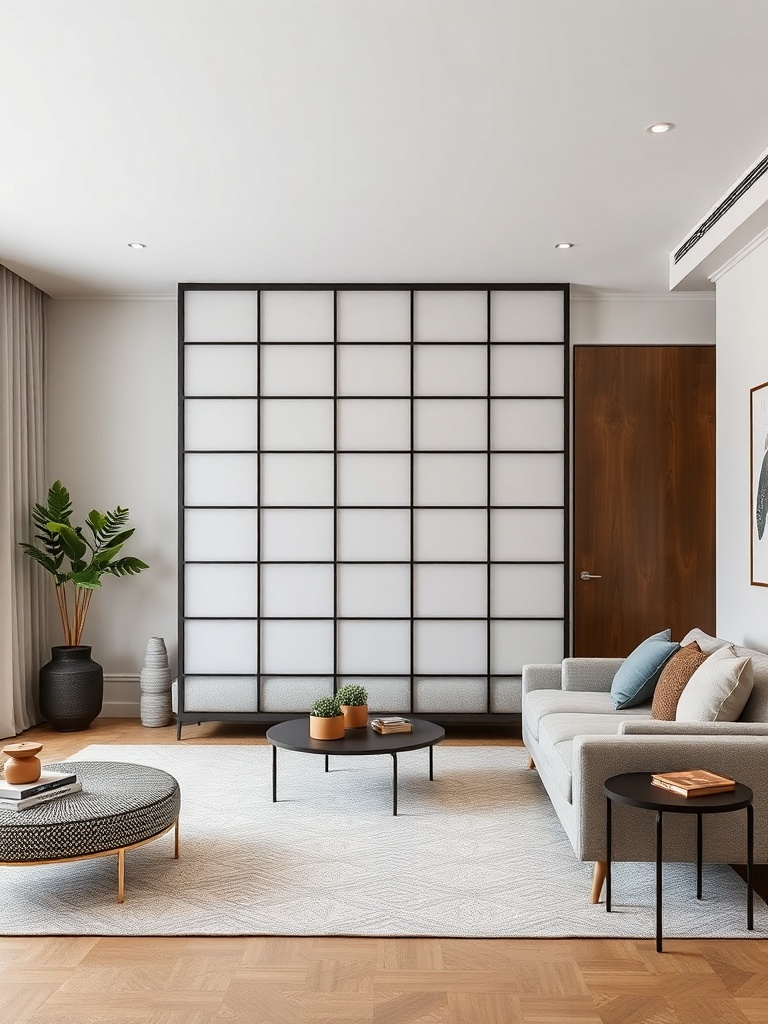
They are characterized by their flexibility and can be made from a variety of materials.
Benefits of Using Rentry Dividers
- Space management: Rentry dividers help in defining areas, making spaces more functional.
- Aesthetic appeal: They can be designed to enhance the overall look of a room.
- Flexibility in design: Easily movable and customizable to fit different styles and needs.
Assessing Your Space
Before creating a Rentry divider, it’s essential to evaluate the area where it will be placed.
Evaluating the Area
- Measuring the dimensions of the space: Accurate measurements will ensure a proper fit.
- Identifying the purpose of the divider: Determine if it’s for privacy, decoration, or organization.
Considering Lighting and Ambiance
- Natural light considerations: Assess how the divider will affect light flow.
- How the divider can affect room brightness: Choose materials that complement your lighting.
Choosing the Right Materials
Rentry dividers can be constructed from various materials, each offering unique characteristics.
Overview of Popular Materials
- Wood: Offers warmth and versatility.
- Fabric: Softens a space and adds texture.
- Metal: Provides an industrial feel and durability.
- Glass: Creates an open feel while still providing separation.
Pros and Cons of Each Material
| Material | Pros | Cons |
|---|---|---|
| Wood | Durable, aesthetic appeal | Can be heavy, requires maintenance |
| Fabric | Soft, easy to change | Can wear out, may require cleaning |
| Metal | Strong, modern look | Can be cold, may rust |
| Glass | Elegant, allows light | Fragile, may require special cleaning |
Design Styles for Rentry Dividers
Modern and Minimalist Designs
Modern dividers are characterized by clean lines and a lack of clutter. To maintain a clean look:
- Choose simple shapes and neutral colors.
- Limit decorative elements to enhance minimalism.
Rustic and Farmhouse Styles
Incorporate natural elements such as reclaimed wood and vintage materials to achieve a rustic feel.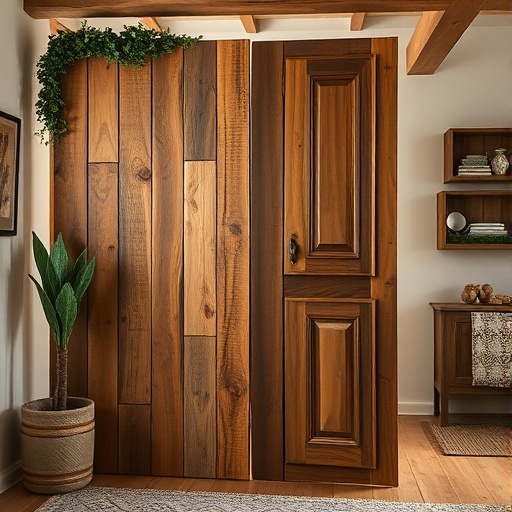
Industrial and Urban Styles
Utilize metal and concrete options, and consider incorporating urban art or graffiti for a trendy vibe.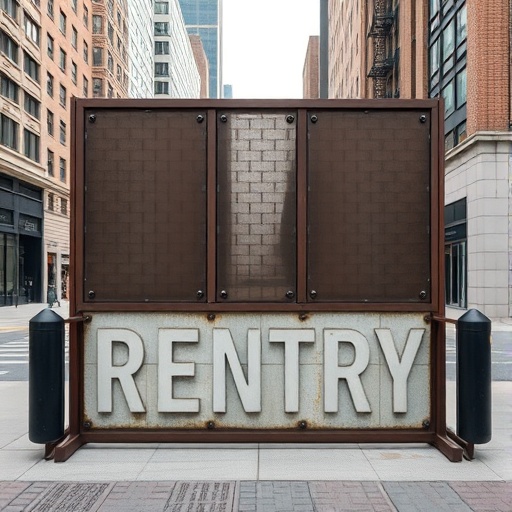
Bohemian and Eclectic Styles
Mix patterns and colors using textiles and hanging elements to create a vibrant bohemian style.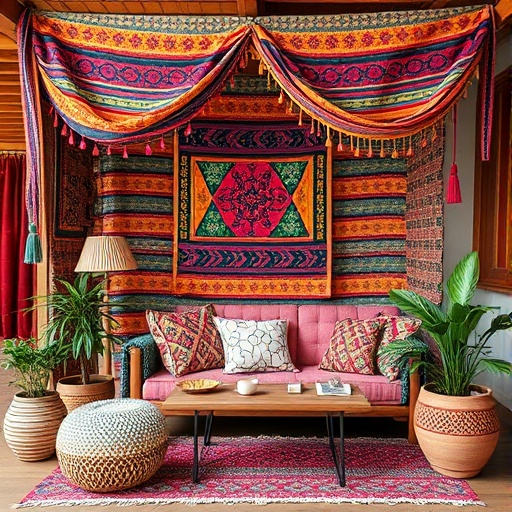
Planning Your Rentry Divider
Sketching Your Design Ideas
Begin by sketching your design ideas. Use tools such as:
- Paper and pencil for hand-drawn designs.
- Digital apps for a more polished look.
Visualizing the layout can help in making decisions early on.
Creating a Mood Board
Collect inspiration images and select a color palette to refine your design vision.
DIY vs. Professional Help
Benefits of DIY Rentry Dividers
- Cost savings: Building your own divider can be more economical.
- Personalization: Tailor the design to your specific needs and style.
When to Hire a Professional
- Complex designs or installations may require expertise.
- Safety concerns, especially with heavier materials, should be addressed by professionals.
Step-by-Step Guide to Creating Your Rentry Divider
Gathering Necessary Tools and Materials
Before you begin, make sure you have all the required tools and materials ready.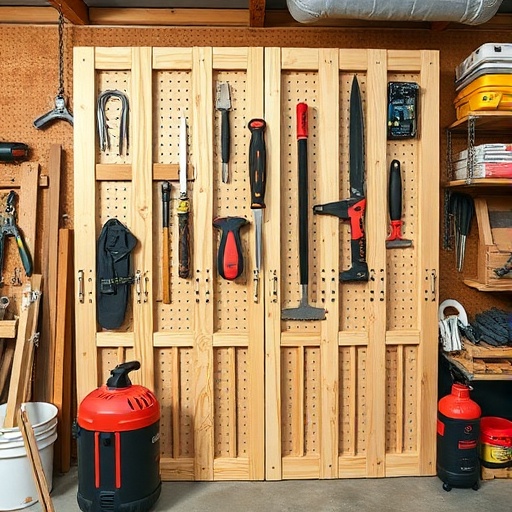
Step 1: Preparing the Space
- Clear the area where the divider will be placed.
- Mark out the divider's location using tape or chalk.
Step 2: Constructing the Frame (if applicable)
If your design includes a frame, ensure:
- To build a sturdy structure using quality materials.
- To double-check all measurements for accuracy.
Step 3: Adding the Divider Elements
- Attach fabric, wood panels, or other materials as per your design.
- Add decorative touches such as paint or stencils if desired.
Step 4: Final Touches and Installation
- Secure the divider in place to ensure stability.
- Check that the divider is safe and steady before use.
Styling Your Rentry Divider
Ways to Accessorize and Enhance Your Divider
- Add plants or greenery to bring life to the divider.
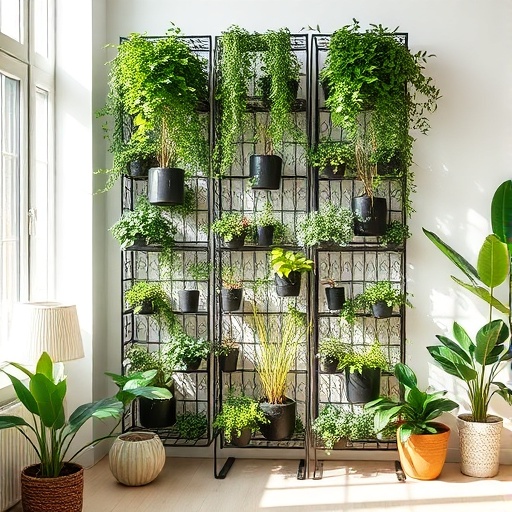
- Incorporate art or photographs to personalize the space.
Using Lighting to Highlight the Divider
- Consider ambient lighting options for a soft glow.
- Decorative light fixtures can add flair and functionality.
Maintenance and Care for Your Rentry Divider
Cleaning Tips for Different Materials
- Wood: Use a damp cloth and mild cleaner.
- Fabric: Vacuum regularly, and spot clean as necessary.
- Metal: Wipe down with a soft cloth to prevent rust.
- Glass: Use glass cleaner for a streak-free finish.
Addressing Wear and Tear
Regularly check for any damage or wear and address these issues promptly to extend the life of your divider.
Seasonal Maintenance Checks
Inspect your divider for stability and cleanliness at the change of each season to keep it looking its best.
Common Mistakes to Avoid
- Overlooking functionality for aesthetics can lead to a less practical divider.
- Choosing the wrong size or scale can disrupt the space.
- Neglecting safety and stability can pose hazards.
Inspiring Rentry Divider Ideas
Here are some creative examples of Rentry dividers:
Residential Examples
- Wooden slat dividers in open-concept living areas.
- Fabric curtains used as flexible room separators.
Office and Commercial Applications
- Glass partitions for a modern office look.
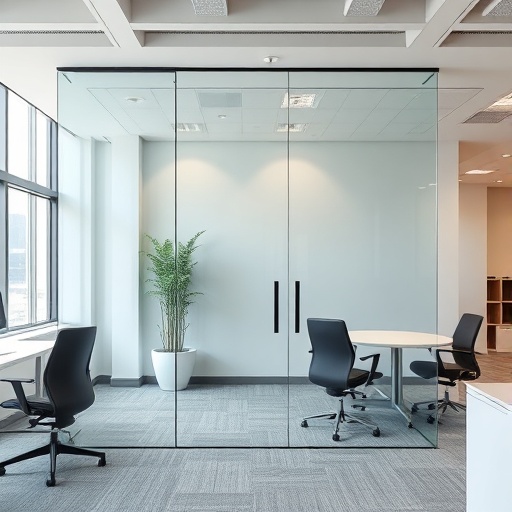
- Metal dividers that incorporate branding elements.
How to Personalize Your Divider Further
Consider adding unique artwork or thematic decorations that resonate with your personality or brand.
Key Takeaways
- Rentry dividers are versatile and functional additions to any space.
- Choosing the right materials and designs is crucial for aesthetic and practical purposes.
- Proper planning and maintenance can significantly enhance the longevity and appeal of your dividers.
Conclusion
Rentry dividers play a vital role in enhancing spaces, providing both functionality and style. We encourage you to experiment with designs and personalize your dividers to create a unique touch in your home or office. The satisfaction of creating functional art is rewarding, so dive into the world of Rentry dividers and transform your spaces!
FAQ
What are Rentry dividers?
Rentry dividers are movable partitions designed to separate spaces within a room without the need for permanent walls.
What materials are best for Rentry dividers?
Common materials include wood, fabric, metal, and glass, each offering unique advantages and aesthetics.
Can I make a Rentry divider myself?
Yes, DIY Rentry dividers can save costs and allow for personalization. However, complex designs may require professional assistance.
How do I maintain my Rentry divider?
Regular cleaning, addressing wear and tear, and seasonal maintenance checks will keep your divider in top condition.
What are some common mistakes to avoid when creating a Rentry divider?
Common mistakes include overlooking functionality for aesthetics, choosing the wrong size, and neglecting safety and stability.