
Create Stunning Resin Home Decor Pieces Easily
Discover how to craft stunning resin home decor pieces with our easy guide, perfect for beginners and creative enthusiasts alike!
How to Create Stunning Resin Home Decor Pieces Easily
Introduction
The rise of resin art in home decor has transformed the way we think about interior design. No longer confined to traditional materials, artists and crafters are embracing the versatility of resin to create stunning, personalized pieces that reflect their unique styles.
Incorporating creativity and personalization in home design not only enhances the aesthetic appeal of a space but also adds a personal touch that tells a story. This article will guide you through the essentials of working with resin, from understanding the material to creating beautiful home decor pieces.
Whether you're a complete beginner or looking to refine your skills, this guide will encourage you to explore your artistic potential and dive into the world of resin crafting.
Understanding Resin
What is resin?
Resin is a synthetic or natural compound that is used in various applications, including art and home decor. It typically consists of two main components: a resin and a hardener that, when mixed, undergo a chemical reaction to form a solid material.
Types of resin: epoxy, polyurethane, etc.
- Epoxy resin: Known for its clarity and strength, ideal for creating a glass-like finish.
- Polyurethane resin: More flexible and resistant to UV light, making it suitable for outdoor projects.
- Polyester resin: Often used in crafts, it's more affordable but less durable than epoxy.
Benefits of using resin in home decor
- Versatility in design: Resin can be used to create a wide range of decor items, from furniture accents to small decorative pieces.
- Durability and longevity: Once cured, resin is resistant to moisture, heat, and UV light, ensuring your creations last.
- Ability to create unique pieces: Each resin piece can be customized in color, texture, and embedded materials, making every creation one-of-a-kind.
Essential Tools and Materials
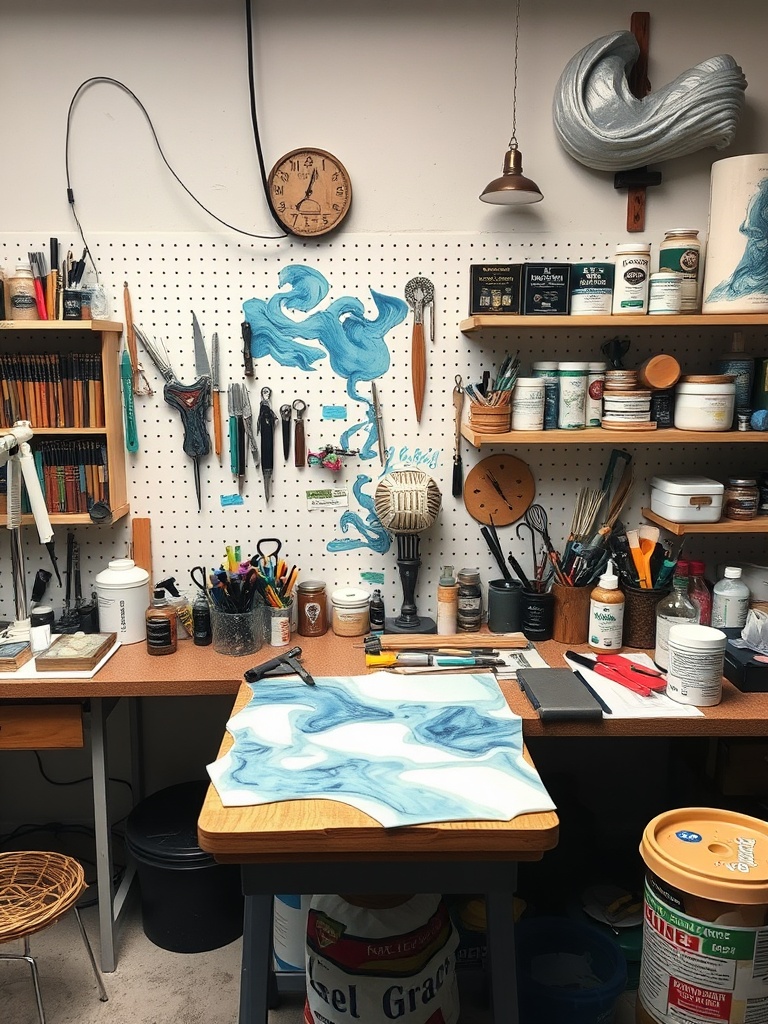
Basic tools needed for resin crafting
- Mixing cups and sticks
- Gloves and protective gear
- Heat gun or torch
Types of resin and where to buy
- Recommended brands for beginners: Look for user-friendly options like ArtResin or ProMarine Supplies.
- Where to find supplies: Local craft stores typically carry resin, but online retailers often have a wider selection.
Additional decorative materials
- Dyes and pigments: Used to color resin, with options ranging from liquid dyes to powdered pigments.
- Molds and embellishments: Silicone molds are great for shaping resin, while flowers or glitter can add decorative elements.
Safety Precautions
Importance of safety when working with resin
Working with resin can involve exposure to fumes and skin irritants, making safety precautions essential.
Recommended safety gear
- Masks to filter out fumes
- Gloves to protect your hands
- Goggles to shield your eyes
Proper ventilation and workspace setup
Ensure you work in a well-ventilated area to minimize exposure to fumes. A clean, organized workspace will also help you manage your materials effectively.
Basic Techniques for Resin Crafting
Mixing resin properly
- Ratios and timing: Follow manufacturer instructions for mixing ratios, usually 1:1 for epoxy.
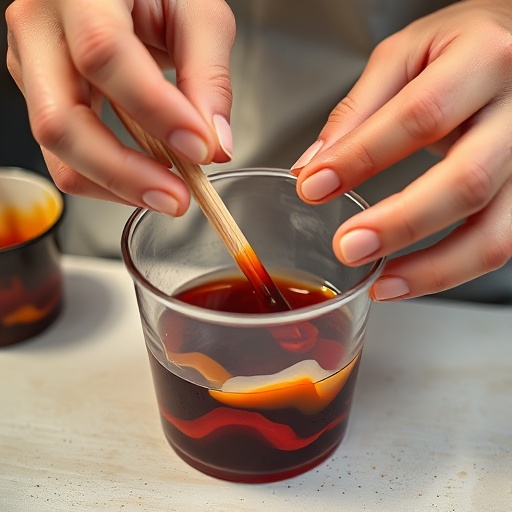
- Common mixing mistakes to avoid: Avoid overmixing, which can introduce bubbles.
Coloring resin
- Using pigments vs. dyes: Pigments provide opacity, while dyes are more transparent.
- Tips for achieving desired colors: Start with small amounts of color and gradually increase to avoid overpowering the resin.
Pouring techniques
- Layering effects: Pour resin in layers for depth and visual interest.
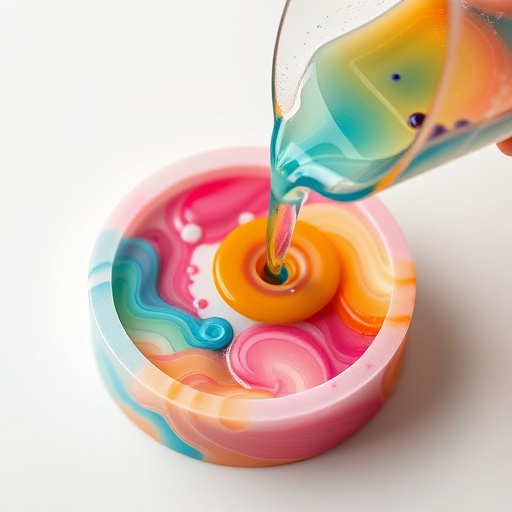
- Avoiding bubbles and imperfections: Use a heat gun to pop bubbles immediately after pouring.
Creating Simple Resin Home Decor Projects
Coasters
Materials needed
- Resin
- Silicone coaster molds
- Dyes or glitter for decoration
Step-by-step instructions
- Mix resin according to package instructions.
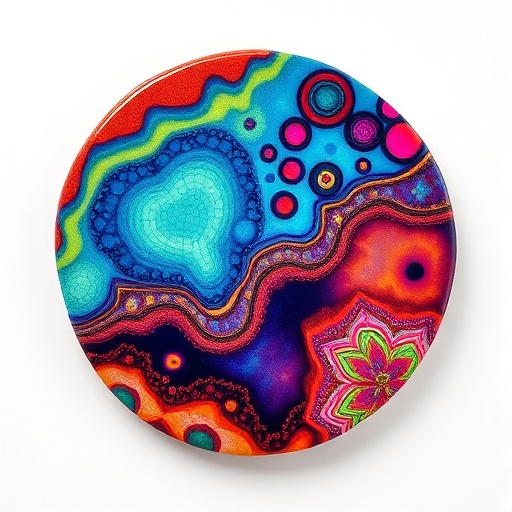
- Add dyes or glitter for decoration.
- Pour into molds and allow to cure.
Tips for customization
Experiment with different colors and embed small objects like pressed flowers or photos for a personal touch.
Resin Art Boards
Choosing the right base
Wood or canvas boards work well as a base for your resin art.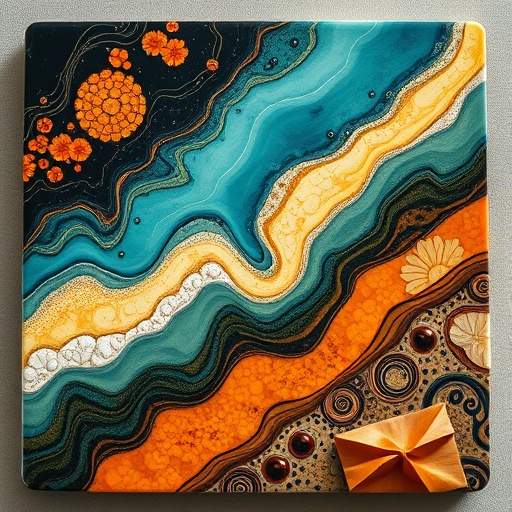
Techniques for creating abstract designs
Utilize pouring techniques to create swirling effects, and don't be afraid to play with colors.
Finishing touches and sealing
Apply a topcoat of resin for a glossy finish and to protect your artwork.
Decorative Trays
Selecting molds and colors
Choose silicone molds that fit your desired tray size and shape, and select colors that complement your home decor.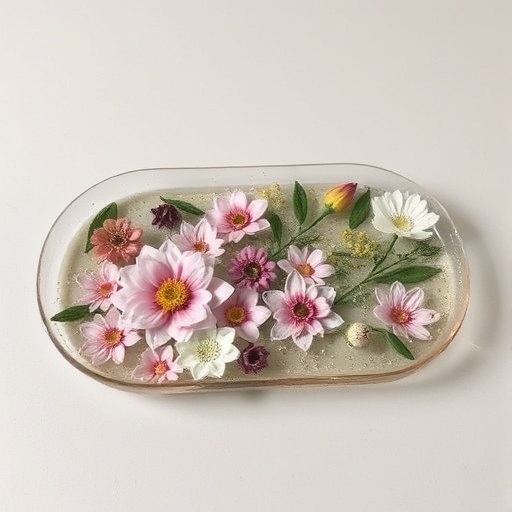
Incorporating flowers or other objects
Arrange dried flowers or decorative items before pouring the resin to create a stunning visual effect.
Final assembly and finishing tips
Once cured, remove the tray from the mold and sand any rough edges before using it.
Keychains and Small Accents
How to choose small molds
Look for molds that suit your style, whether it be geometric shapes or fun designs.
Personalization ideas
Embed initials, small charms, or colored resin to make each keychain unique.
Practical use and gifting suggestions
These make great gifts for friends and family or as party favors.
Intermediate Resin Projects
Wall Art
Inspiration and design ideas
Explore various themes, such as ocean waves or abstract designs, to inspire your wall art.
Techniques for depth and layering
Use different thicknesses of resin to create a sense of depth in your artwork.
Framing and displaying your art
Consider using shadow boxes or floating frames to enhance the display of your resin art.
Resin Furniture Accents
Integrating resin with wood or metal
Create stunning tabletops by combining resin with a wooden base.
Creating tabletops or drawer pulls
Design custom drawer pulls or tabletops with colorful resin accents.
Maintenance and care tips
Clean resin surfaces with a soft cloth and avoid harsh chemicals to maintain their finish.
Jewelry Making
Types of jewelry pieces to create
Consider making earrings, necklaces, or bracelets using resin.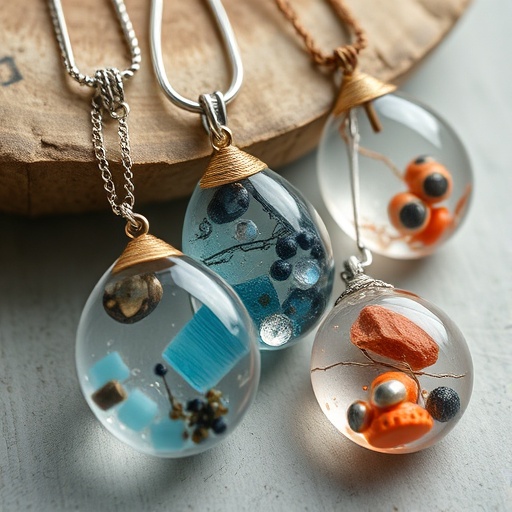
Techniques for embedding materials
Use small flowers, glitter, or beads to embed in the resin for unique designs.
Tips for finishing and durability
Seal your jewelry with a clear coat to enhance durability and prevent wear.
Troubleshooting Common Issues
Bubbles in resin
Causes and prevention techniques
Bubbles often form from mixing too vigorously; pour slowly and use a heat gun to pop them.
How to fix bubbles after curing
Sand the area gently and apply a thin layer of resin to fill any remaining imperfections.
Resin not curing properly
Common reasons for improper curing
Incorrect mixing ratios or low temperatures can hinder curing.
Steps to take if resin remains tacky
Allow additional time to cure or consider applying a fresh layer of resin on top.
Surface imperfections
Identifying issues and solutions
Look for uneven surfaces or scratches, which can usually be fixed by sanding and polishing.
How to sand and polish resin
Use fine-grit sandpaper and a buffing wheel to achieve a smooth, shiny finish.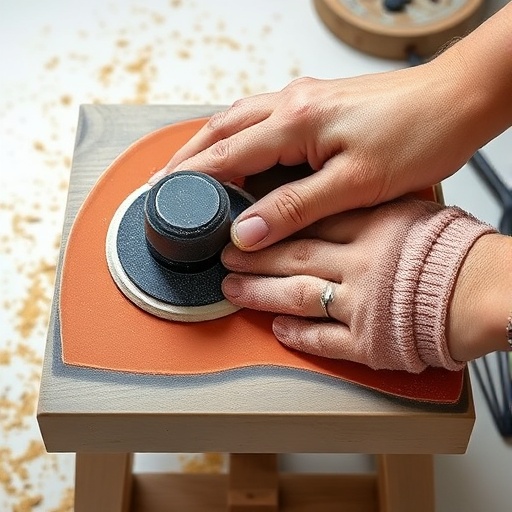
Final Touches and Displaying Your Work
Finishing techniques for a polished look
- Sanding and buffing: Smooth any rough edges and bring out the shine.
- Applying a topcoat or sealant: Protect your work from scratches and UV damage.
Creative ways to display resin decor
- Shelving and table arrangements: Use trays and coasters to create beautiful displays.
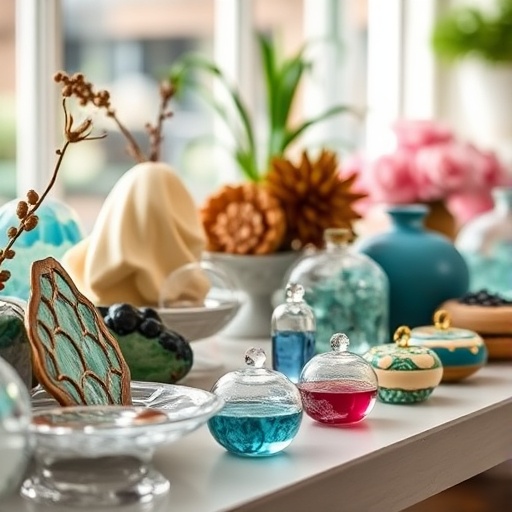
- Unique hanging methods for wall art: Incorporate wires or frames for an artistic touch.
Gift ideas using resin pieces
Handcrafted resin items make thoughtful gifts for any occasion, from birthdays to holidays.
Key Takeaways
- Resin art is a versatile and creative medium for home decor.
- Safety precautions are essential when working with resin.
- Start with simple projects and gradually advance to more complex designs.
- Personalization is key to creating unique and meaningful decor pieces.
Conclusion
The joy of creating stunning resin home decor pieces lies in the process of experimentation and personal expression. We encourage you to find your own style and embrace the learning journey that comes with resin crafting.
As you continue to create, don't hesitate to seek inspiration and improve your skills, transforming your home into a reflection of your individuality.
FAQ
What type of resin is best for beginners?
Epoxy resin is often recommended for beginners due to its ease of use and durability.
How do I prevent bubbles when pouring resin?
Pour resin slowly, and use a heat gun to pop any bubbles immediately after pouring.
Can I use resin for outdoor projects?
Yes, but be sure to use UV-resistant resin to prevent yellowing over time.
What should I do if my resin piece is tacky after curing?
Allow more time for curing or apply a fresh layer of resin to seal the piece properly.