Create Unique Home Decor Signs for Personal Style
Discover how to personalize your home with unique decor signs, exploring materials, techniques, and inspiration for creative expression.
Introduction
Home decor signs have skyrocketed in popularity over recent years, becoming essential elements in personalizing living spaces.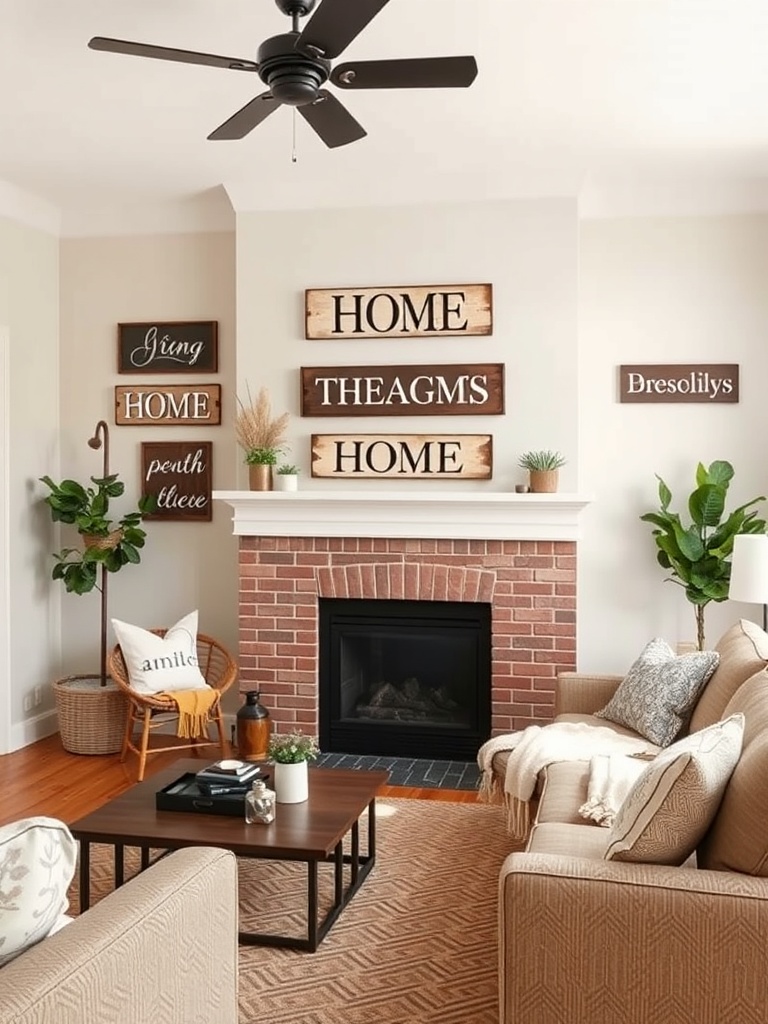
These unique pieces not only enhance the aesthetics of a home but also reflect the personality and tastes of those who inhabit it. In this article, we will explore the various aspects of home decor signs, including their definition, benefits, inspiration sources, material choices, creation techniques, and maintenance tips, empowering you to craft your own personalized pieces.
Understanding Home Decor Signs
Definition of home decor signs
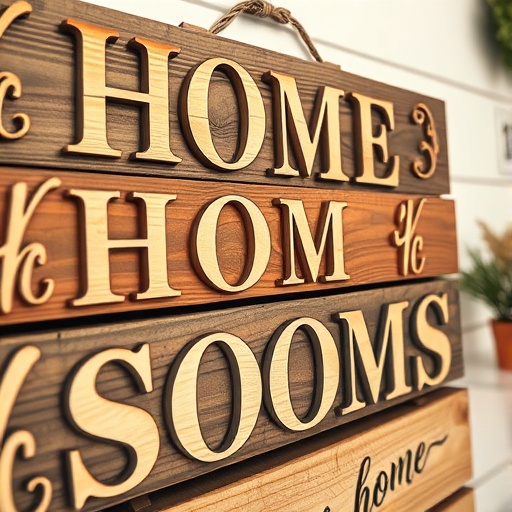
Home decor signs can be categorized into different types:
- Wall Art: Artistic representations that add character.
- Quotes: Inspirational or humorous phrases that resonate.
- Directional Signs: Signs that provide guidance or indicate locations.
Materials commonly used
Home decor signs can be crafted from various materials, including:
- Wood
- Canvas
- Metal
- Acrylic
Benefits of using decor signs in home design
- Personalization: Tailor your living space to reflect your style.
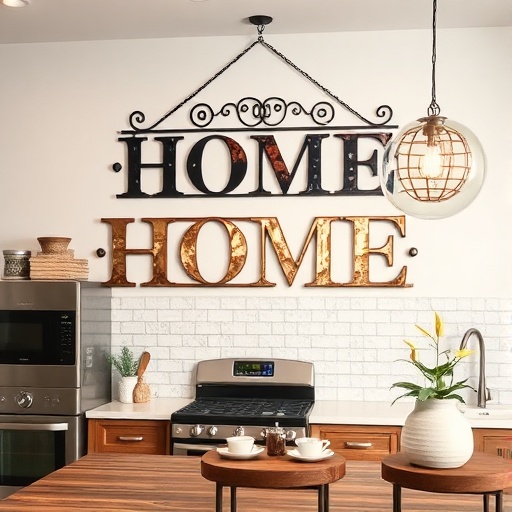
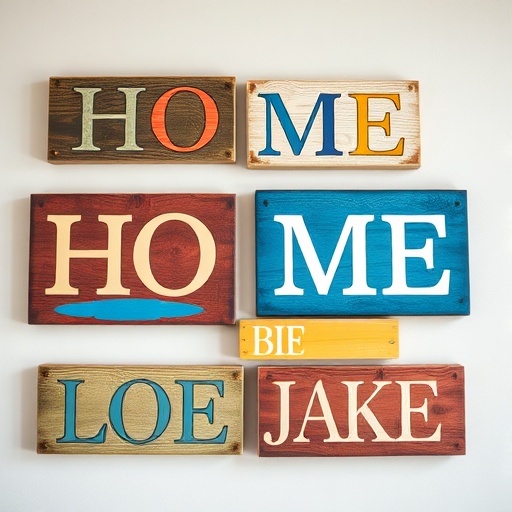
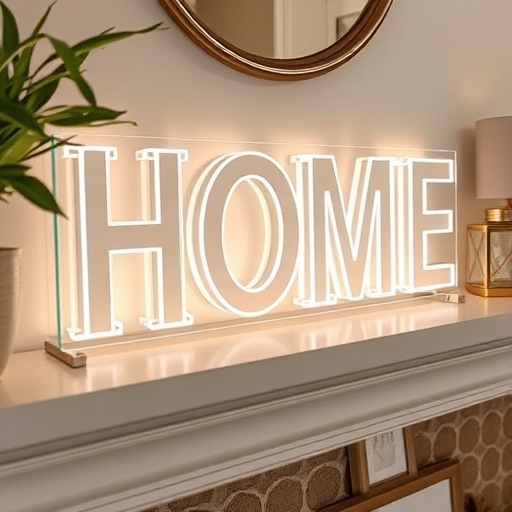
- Mood Setting: Create an atmosphere that aligns with your theme.
- Conversation Starters: Unique signs can spark discussions with guests.
Finding Inspiration for Your Signs
Sources of inspiration
- Online Platforms: Explore sites like Pinterest and Instagram for ideas.
- Nature and Surroundings: Look to the beauty around you for concepts.
- Local Shops and Markets: Find unique pieces and ideas in your community.
Identifying your personal style
Consider the following styles:
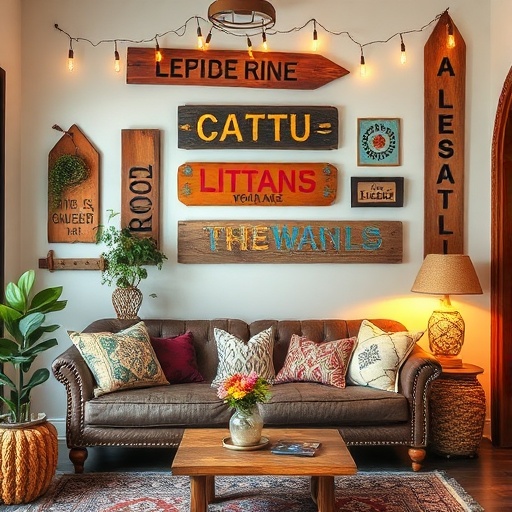
- Rustic: Farmhouse-inspired and cozy.
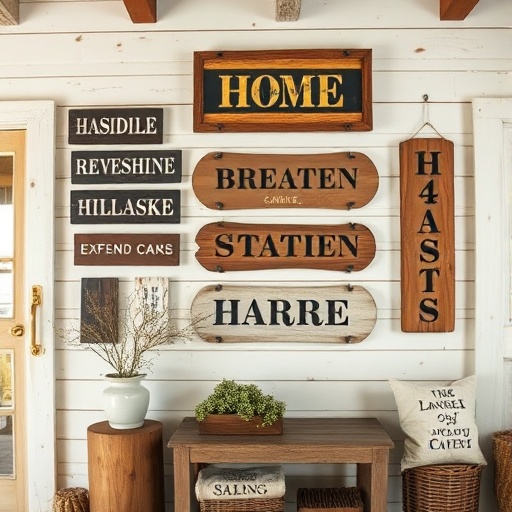

- Modern: Clean lines and contemporary aesthetics.
- Bohemian: Eclectic and free-spirited.
Also, think about your preferred color schemes and themes to guide your designs.
Choosing the Right Materials
Overview of materials for signs
| Material | Pros | Cons |
|---|---|---|
| Wood | Durable, customizable | Can warp in humidity |
| Canvas | Lightweight, easy to hang | Less durable |
| Metal | Industrial look, very durable | Heavy, can rust |
| Acrylic | Modern appearance, lightweight | Scratches easily |
Tools and supplies needed
Basic tools include:
- Saw
- Drill
- Paintbrushes
Decorative supplies may involve:
- Stencils
- Vinyl
- Paint
Basic Techniques for Creating Signs
Cutting and shaping materials
When working with tools, keep safety in mind:
- Always wear protective eyewear.
- Ensure your workspace is clear and organized.
Techniques for cutting wood and other materials
Use the following methods:
- For wood, consider using a circular saw.
- For acrylic, a fine-toothed saw is recommended.
Painting and finishing techniques
Choose from various types of paint:
- Chalk Paint: Provides a matte finish.
- Acrylic Paint: Versatile and vibrant.
- Spray Paint: Quick and even coverage.
Techniques for achieving different finishes
Consider these finishes:
- Distressed: Create a vintage look by sanding edges.
- Polished: Apply a glossy finish for modern appeal.
Designing Your Sign
Layout and typography considerations
When designing, focus on:
- Fonts: Choose styles that fit the theme of your sign.
- Spacing and Alignment: Ensure text is readable and visually appealing.
Color selection
Understanding color theory can help:
- Complementary Colors: Colors that are opposite each other on the color wheel.
- Analogous Colors: Colors that are next to each other, providing a harmonious look.
Adding Quirky Elements
Incorporating humor and personality
Consider using:
- Funny Quotes: Light-hearted sayings can bring joy.
- Personal Anecdotes: Share unique phrases that resonate with you.
Using unexpected materials or designs
Explore mixed media techniques:
- Combining Materials: Use wood with metal accents.
- 3D Elements: Add embellishments for depth.
Techniques for Easy Creation
Utilizing stencils and templates
Stencils can simplify the process:
- Create or Find Templates: Many resources are available online.
- Application Techniques: Secure stencils well to avoid paint bleed.
Vinyl cutting and transfer techniques
Using a vinyl cutting machine can enhance your signs:
- Overview: Machines can cut intricate designs.
- Application Tips: Use transfer tape for precise placement.
Placement and Display Ideas
Where to hang or place your signs
Consider placements such as:
- Entryways: Welcome guests with creative pieces.
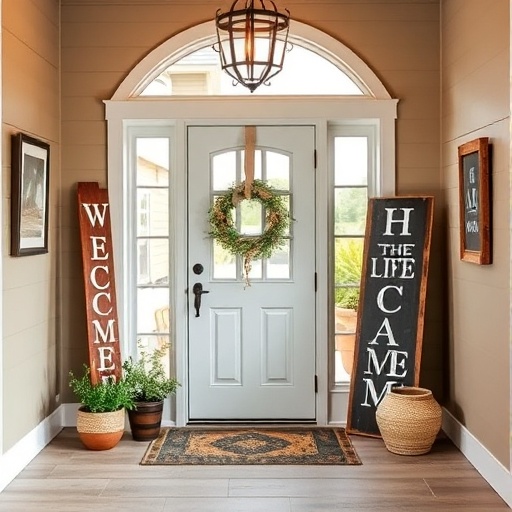
- Living Rooms: Add focal points to your decor.
- Kitchens: Use fun quotes to inspire cooking.
Seasonal displays and rotation
Rotate your signs to match the seasons for a fresh look.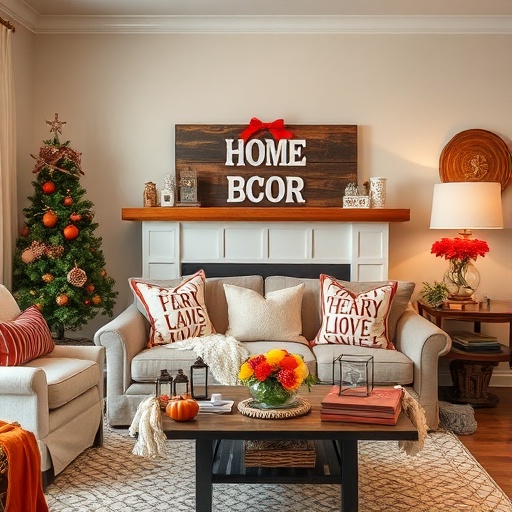
Creating a cohesive display
To create harmony:
- Grouping Signs: Pair signs with similar themes.
- Balancing Sizes and Shapes: Vary your display for visual interest.
Maintenance and Care for Your Signs
Cleaning and protecting your signs
Different materials require different care:
- Wood: Wipe with a damp cloth; avoid soaking.
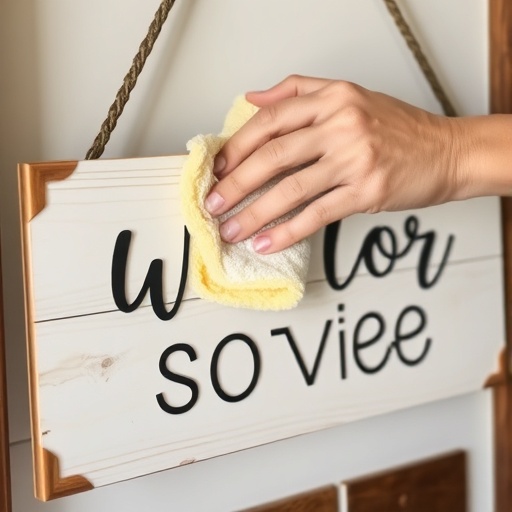
- Metal: Use a soft cloth to prevent scratches.
Tips for long-lasting decor
Consider using protective finishes to enhance durability.
Repairing damage
Common issues can include:
- Scratches: Use touch-up paint for minor repairs.
- Fading: Keep signs out of direct sunlight to prevent color loss.
Quick fixes and preventative measures
Regular maintenance checks can help extend the life of your decor.
Sharing Your Creations
Documenting your projects
To showcase your signs:
- Photography Tips: Use natural light for the best results.
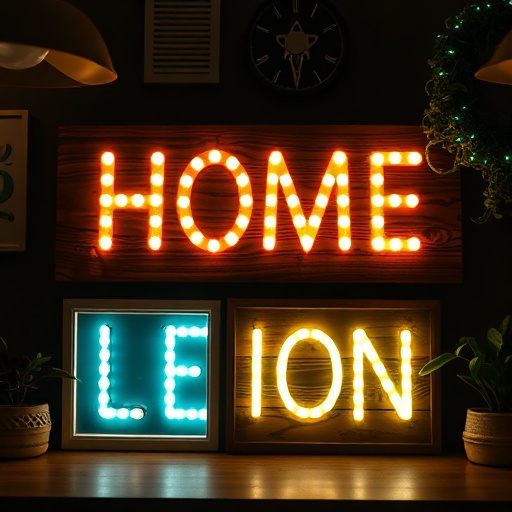
- Sharing on Social Media: Post on platforms like Instagram and Facebook.
Engaging with the community
Participate in DIY groups and forums to share ideas and gain feedback.
Hosting workshops or tutorials
Consider teaching others about your craft to build community connections.
Key Takeaways
- Home decor signs are an excellent way to personalize your space.
- Inspiration can come from various sources, including nature and online platforms.
- Choosing the right materials is crucial for durability and aesthetics.
- Basic techniques and creativity can help you create unique signs.
- Regular maintenance ensures your decor remains vibrant and beautiful.
Conclusion
Creating home decor signs is not only a fulfilling artistic endeavor but also a way to infuse your living space with personality and charm. We hope this article inspires you to start crafting your unique pieces, allowing you to express yourself through your decor. Embrace the joy and creativity that comes with personalizing your home, and let your imagination run wild!
FAQ
What types of materials can I use for home decor signs?
You can use a variety of materials including wood, canvas, metal, and acrylic. Each has its own pros and cons, so choose based on your design and durability needs.
How do I find inspiration for my sign designs?
Inspiration can be found on online platforms like Pinterest and Instagram, in nature, or by visiting local shops and markets. Consider incorporating elements that resonate with your personal style.
What are some tips for maintaining my decor signs?
Keep your signs clean by wiping them with a damp cloth, and avoid exposing them to direct sunlight to prevent fading. Regularly check for damage and repair as necessary.
Can I use quotes on my signs?
Absolutely! Using quotes can add humor and personality to your decor. Make sure they align with the overall theme of your home.
How can I share my creations with others?
You can document your projects through photography and share them on social media platforms. Joining DIY groups or hosting workshops can also help you engage with the community.