Incorporate Chinese Home Decor for Harmony and Style
Discover how to infuse your home with the beauty and harmony of Chinese decor, blending tradition with modern design for a serene ambiance.
I. Introduction
Chinese home decor is not just about aesthetics; it embodies a rich cultural heritage that emphasizes harmony, balance, and functionality.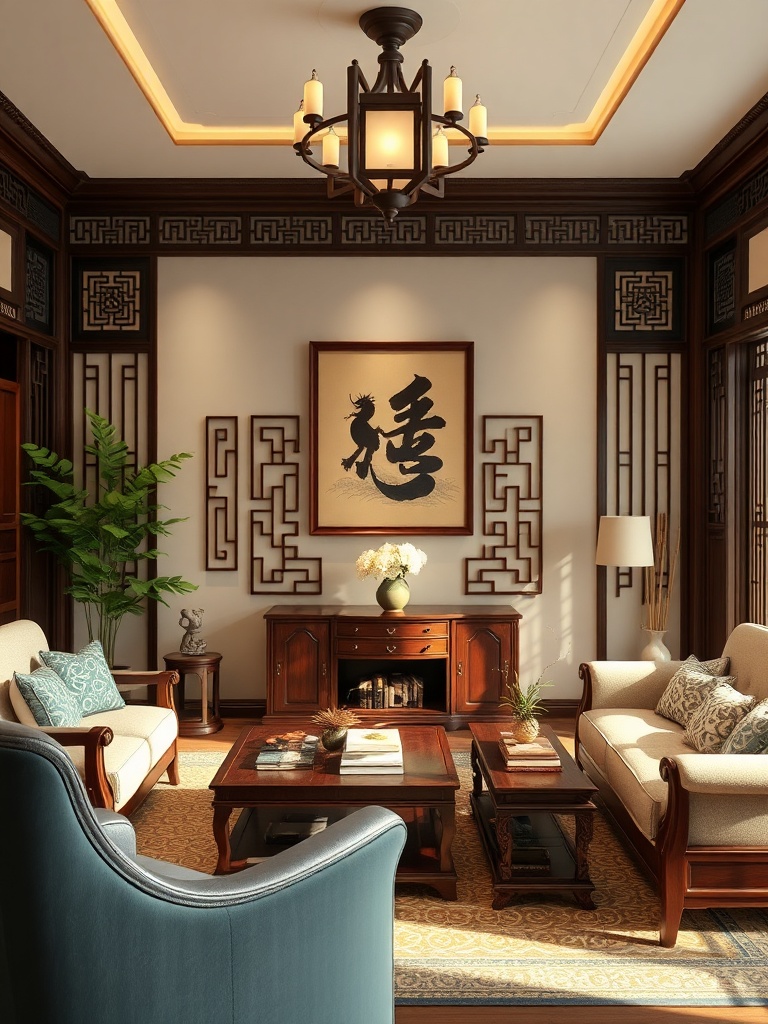
This style blends beauty with practical design, offering a unique way to enhance the ambiance of your home. This article aims to guide you in incorporating Chinese decor elements into your space, creating a serene and inviting environment.
II. Understanding Chinese Home Decor
A. Historical Context
Traditional Chinese design is deeply rooted in history, reflecting centuries of art, philosophy, and culture. Key elements include:
- Symbolism and tradition
- Regional influences, such as Cantonese, Tibetan, and Mongolian styles
- Use of materials like wood, silk, and ceramics
B. Key Principles of Chinese Design
Chinese design is guided by several foundational principles:
- Balance and harmony: The concept of Yin and Yang emphasizes equilibrium in design.
- Use of color and symbolism: Colors have specific meanings, influencing mood and perception.
- Nature-inspired elements: Natural motifs are prevalent, reflecting the importance of nature in Chinese culture.
III. Color Schemes Inspired by Chinese Decor
A. Traditional Color Palettes
Colors play a significant role in Chinese decor. Key colors include:
- Red: Symbolizes luck and happiness.
- Gold: Represents wealth and prosperity.
- Jade: Associated with purity and harmony.
- White and Black: Often used for balance and elegance.
B. How to Choose Colors for Your Space
When selecting colors, consider the following tips:
- Choose a base color that resonates with you.
- Incorporate accent colors to create visual interest.
- Use traditional palettes as inspiration, but adapt to your personal style.
Examples of harmonious color combinations include:
- Red and gold for a vibrant look.
- Jade green with white for a serene atmosphere.
IV. Furniture Selection
A. Traditional Chinese Furniture Styles
Understanding traditional styles is key to selecting authentic furniture:
- Ming Style: Known for its simplicity and elegance.
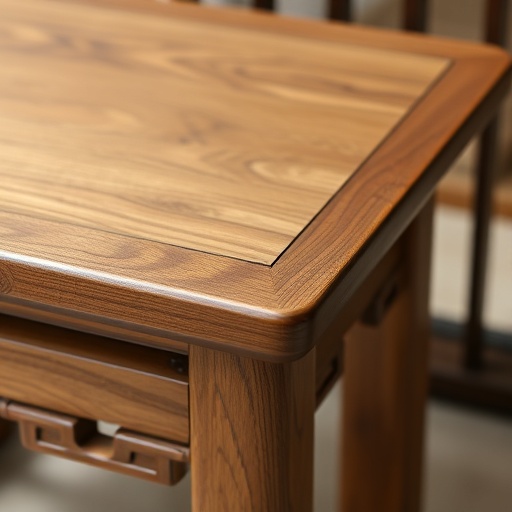
- Qing Style: Features intricate carvings and ornate designs.
Craftsmanship and material quality are paramount, often using hardwoods like rosewood and mahogany.
B. Incorporating Chinese Furniture into Modern Spaces
To blend traditional Chinese furniture with contemporary design:
- Use traditional pieces as focal points in a room.
- Mix styles to create an eclectic look.
- Consider placement that enhances flow and function.
V. Decorative Elements
A. Art and Wall Decor
Incorporating traditional art can transform your walls:
- Chinese paintings typically feature landscapes, flowers, and birds.
- Calligraphy adds a personal touch, conveying meaningful messages.
B. Sculptural Decor
Consider these elements:
- Ceramic sculptures: Represent culture and artistry.
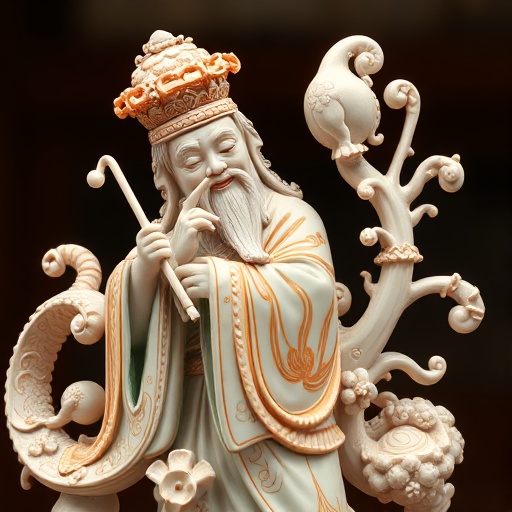
- Jade sculptures: Symbolize nobility and protection.
Integrating Feng Shui principles into your decor choices can enhance the energy of your space.
VI. Textiles and Fabrics
A. Traditional Chinese Textiles
Textiles play a crucial role in Chinese decor:
- Silk: Renowned for its luxurious feel and vibrant colors.
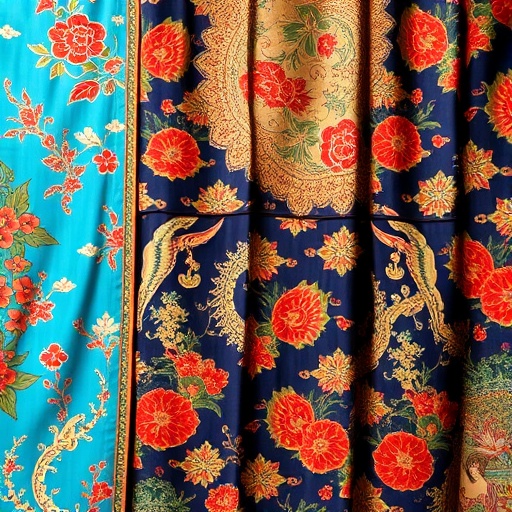
- Brocade: Often used for cushions and upholstery, featuring intricate patterns.
B. How to Use Textiles Effectively
Consider these ideas for textiles:
- Add pillows and throws in rich fabrics for warmth.
- Use curtains made from silk or brocade to enhance elegance.
- Layer different textures for depth and richness.
VII. Lighting in Chinese Home Decor
A. Traditional Lighting Fixtures
Lighting is vital in creating the right ambiance:
- Lanterns: Often used in traditional settings, symbolizing light and guidance.
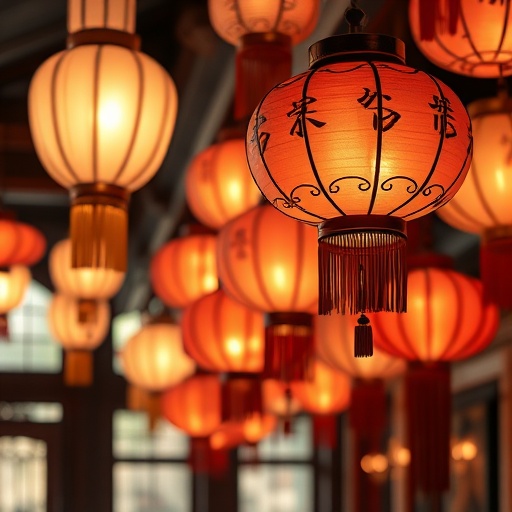
- Paper lampshades: Provide soft, diffused light, enhancing the atmosphere.
B. Creating a Warm Ambiance
Tips for selecting lighting:
- Choose fixtures that complement your decor style.
- Incorporate natural light through large windows or mirrors.
VIII. Incorporating Nature
A. Indoor Plants and Gardens
Plants are an essential part of Chinese decor:
- They symbolize growth, vitality, and nature.
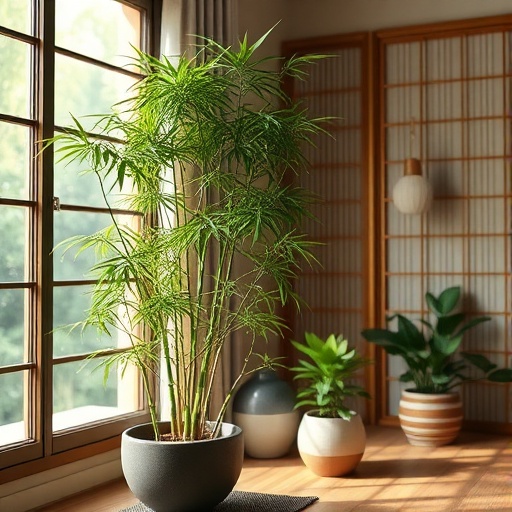
- Consider plants like bamboo, bonsai, or peace lilies for indoor spaces.
B. Water Features
Water elements can enhance tranquility:
- Benefits: They promote relaxation and positive energy.
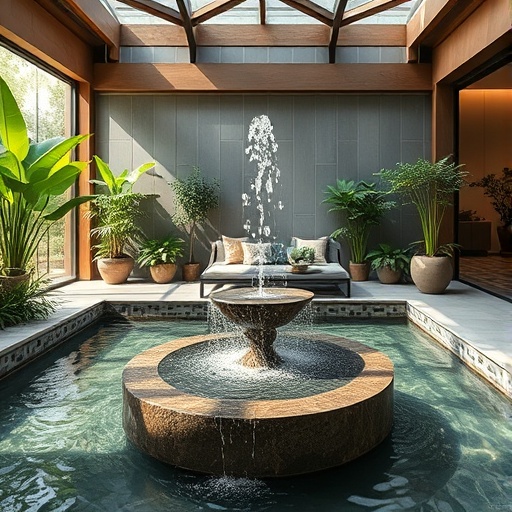
- Ideas: Small indoor fountains or aquariums can add a soothing touch.
IX. Decorative Accessories
A. Importance of Accessories
Accessories can significantly transform a space:
- Small items can provide focal points and enhance the overall design.
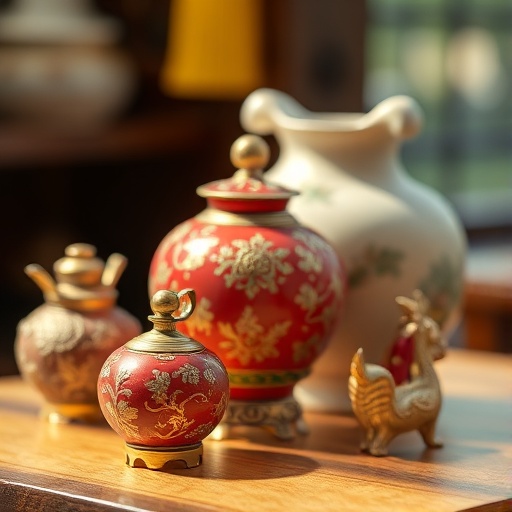
- Symbolism in decor choices can add depth and storytelling to your space.
B. Essential Accessories to Consider
Consider these decorative accessories:
- Vases and pottery to showcase flowers or branches.
- Decorative bowls for functional and aesthetic purposes.
- Fans and other traditional items for authenticity.
X. Feng Shui Principles in Decor
A. Understanding Feng Shui
Feng Shui is an ancient practice that emphasizes harmony:
- Basic principles include the flow of energy (Chi) and the arrangement of space.
- Assessing your space involves evaluating how the layout affects energy flow.
B. Practical Feng Shui Tips
Implement these Feng Shui tips:
- Arrange furniture to create open pathways.
- Consider color and accessory placement to enhance energy.
XI. DIY Projects to Infuse Chinese Decor
A. Simple Projects for Beginners
Here are some easy DIY projects:
- Create your own wall art using traditional motifs.
- Make decorative lanterns using paper and wire.
B. Advanced DIY Ideas
For those looking for a challenge:
- Build custom furniture pieces inspired by traditional designs.
- Fabricate a small indoor water feature using a basin and pump.
XII. Cultural Sensitivity in Decor
A. Respecting Traditions
When incorporating Chinese decor, it's important to:
- Understand the cultural significance of items.
- Avoid stereotypes and misrepresentations to honor true traditions.
B. Ethically Sourcing Decor Items
Tips for sourcing decor:
- Purchase from reputable artisans and local craftspeople.
- Seek authentic pieces that reflect cultural heritage.
Key Takeaways
- Chinese home decor emphasizes harmony, balance, and functionality.
- Understanding traditional elements and color schemes is crucial.
- Incorporating nature and Feng Shui enhances your living space.
- Respect cultural significance and ethically source decor items.
- DIY projects can personalize your decor while celebrating traditions.
Conclusion
Incorporating stunning Chinese home decor into your space allows you to celebrate a rich cultural heritage while enhancing your living environment. By understanding the principles of Chinese design, selecting appropriate colors, furniture, and decorative elements, you can create a harmonious space that resonates with beauty and functionality. Embrace and personalize these cultural influences to make your home a true reflection of your style and values.
FAQ
What are the key elements of Chinese home decor?
The key elements include balance and harmony, traditional colors, craftsmanship in furniture, nature-inspired designs, and symbolic decorations.
How do I choose a color palette for my home?
Select a base color that resonates with you, incorporate traditional accent colors, and ensure the combinations create a harmonious feel.
What types of furniture should I look for?
Look for traditional styles like Ming and Qing, focusing on quality craftsmanship and materials to enhance your decor.
How can I incorporate Feng Shui into my home?
Evaluate your space for energy flow, arrange furniture to create open pathways, and consider color and accessory placement to enhance harmony.
What are some simple DIY projects for Chinese decor?
Begin with creating wall art using traditional motifs or making decorative lanterns to infuse your space with cultural charm.