Stunning Color Palettes for Your Home Design Guide
Discover how to choose stunning color palettes for your home that reflect your style and enhance your space's mood with our expert tips and insights.
Introduction
A. Importance of color in home design
B. Overview of how color affects mood and perception
C. Purpose of the article: To guide readers in selecting the perfect color palette for their home
Understanding Color Theory
The Color Wheel
- Primary, secondary, and tertiary colors
- Warm vs.
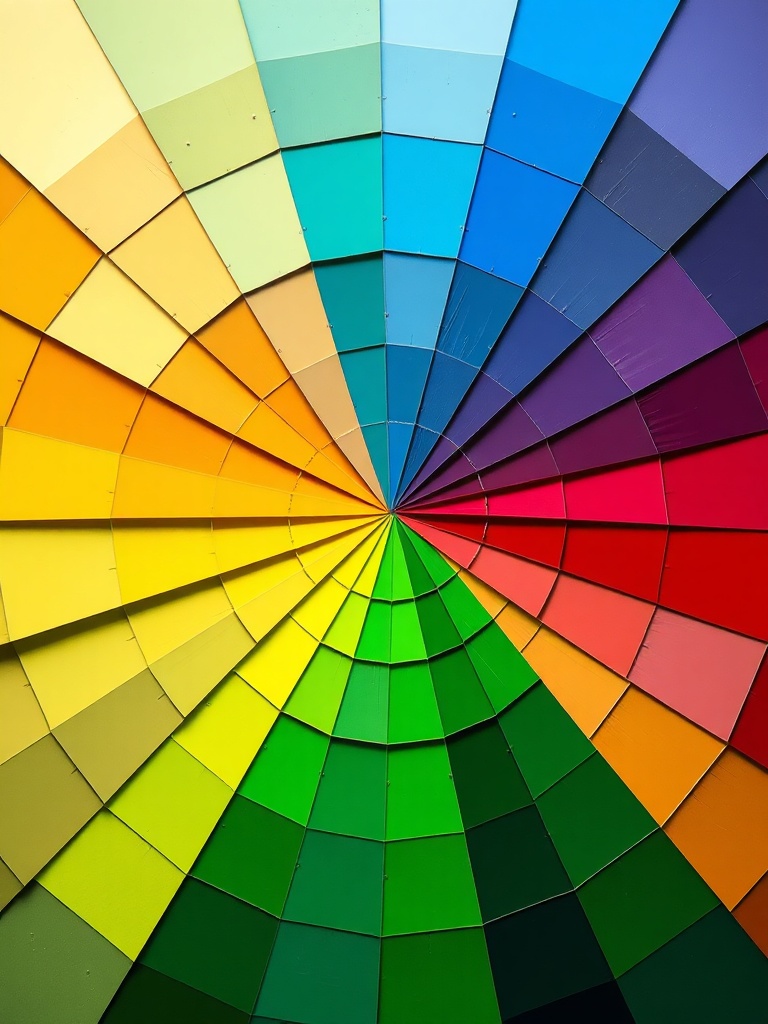
cool colors - Complementary, analogous, and triadic color schemes
Psychological Effects of Colors
- How different colors influence emotions
- Choosing colors based on room function
- Cultural significance of colors
Assessing Your Space
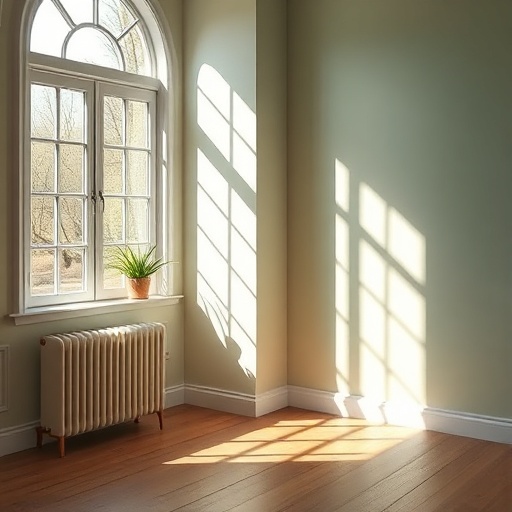
Analyzing Natural Light
- How sunlight affects color perception
- Testing colors at different times of day
Considering Room Size and Shape
- Light colors for small spaces
- Dark colors to create intimacy
Architectural Features
- Highlighting or downplaying unique features
- Coordinating with existing elements (floors, fixtures)
Defining Your Style
Identifying Personal Preferences
- Inspiration from nature, art, or travel
- Creating a mood board
Popular Design Styles
- Modern, traditional, rustic, and eclectic styles
- How color palettes reflect different styles
Seeking Inspiration
- Using online resources (Pinterest, Instagram)
- Visiting showrooms and design centers
Creating a Color Palette
Choosing a Dominant Color
- Factors to consider when selecting a dominant hue
- Using neutral colors as a base
Selecting Accent Colors
- Tips for choosing 2-3 accent colors
- Balancing bold and subtle tones
Testing Your Palette
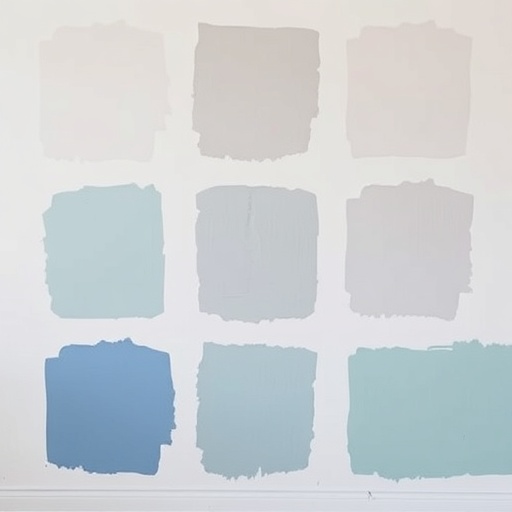
- Sample painting and swatch tests
- Visualizing color combinations in a room setting
Color Combinations and Trends
Timeless vs.
Trendy Colors
Understanding lasting appeal vs. fleeting trends
How to incorporate trendy colors without commitment
Popular Color Trends for 2023
Overview of colors making waves this year
How to use trendy colors in your palette
Combining Patterns and Textures
Tips for integrating patterns with color palettes
Using textures to add depth to color choices
Color in Different Rooms
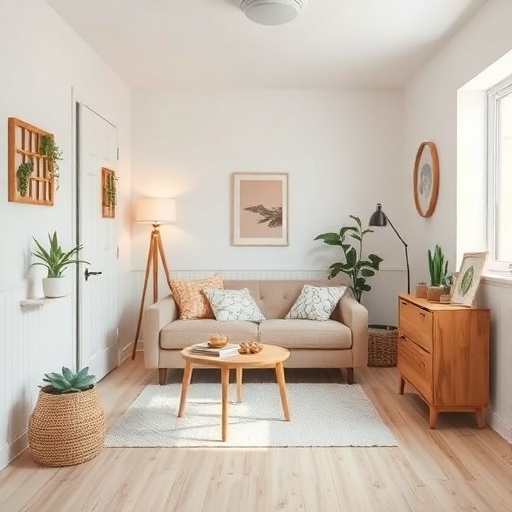
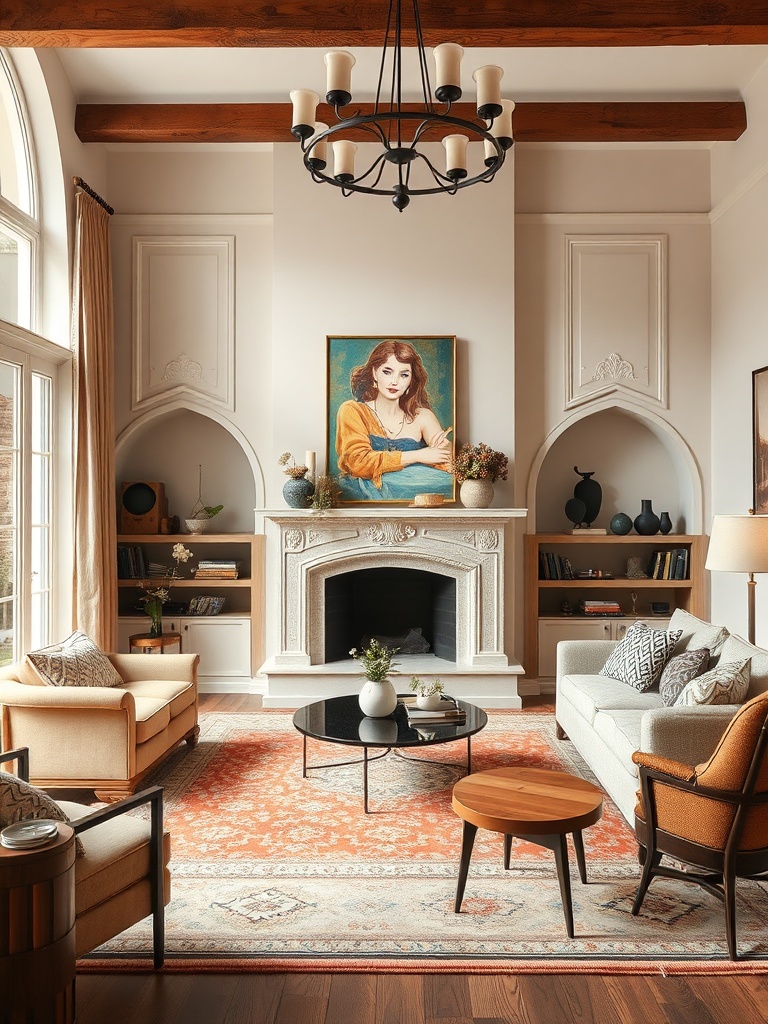
Living Room Color Ideas
Creating inviting and comfortable atmospheres
Balancing color with furniture and decor
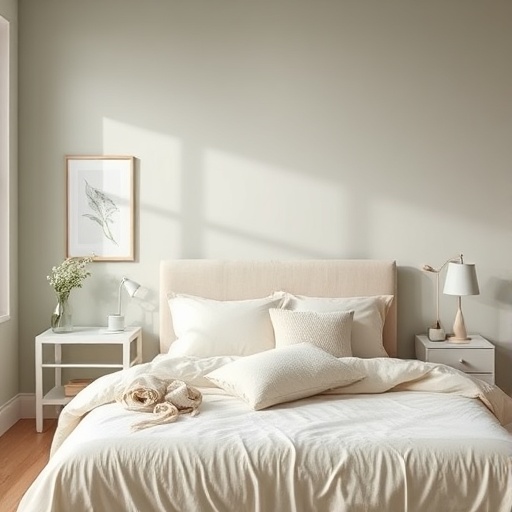
Bedroom Color Schemes
Calming colors for relaxation
Personal touches with accent colors
Kitchen and Dining Spaces
Energizing colors for functional areas
Color considerations for cabinetry and appliances
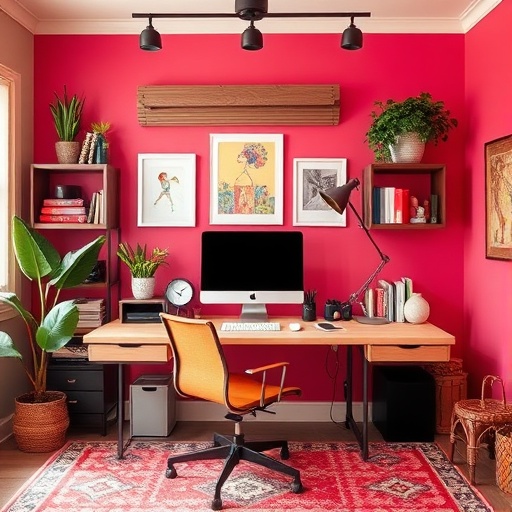
Home Office and Study Areas
Stimulating creativity with color
Creating a productive environment
Finalizing Your Choices
Seeking Feedback
Importance of getting second opinions
Using virtual design tools for visualization
Making Adjustments
Flexibility in your choices
Revisiting your palette after initial application
Committing to Your Palette
Planning for implementation (painting, furnishings)
Staying true to your vision while adapting as needed
Key Takeaways
- Understanding color theory is essential for effective home design.
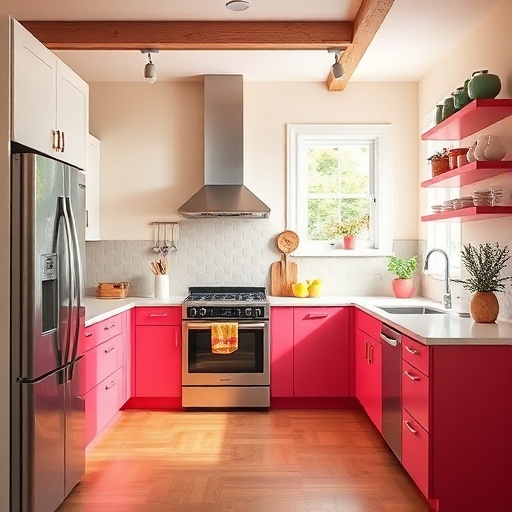
- Natural light and room size greatly influence color choices.
- Defining your style helps in selecting a cohesive color palette.
- Testing colors in your space is crucial before making final decisions.
- Staying updated on color trends can enhance your home's aesthetic.
Conclusion
A. Recap of the importance of color in home design
B. Encouragement to experiment and find personal expression
C. Final tips for enjoying the process of creating a stunning color palette
FAQ
1. How do I choose the right colors for my home?
Choosing the right colors involves understanding color theory, assessing your space, and defining your personal style. Testing colors in your environment is also crucial.
2. What are the best colors for small spaces?
Light colors, such as whites, pastels, and soft neutrals, are generally the best choices for small spaces as they create an illusion of more space.
3. How can I incorporate trendy colors without making a long-term commitment?
You can use trendy colors as accent hues in décor, furniture, or accessories, which can easily be changed out without repainting or major renovations.
4. What colors promote relaxation in a bedroom?
Soft blues, greens, and neutral tones are known to promote relaxation and tranquility in a bedroom setting.
5. How often should I update my home’s color palette?
It’s generally a good idea to refresh your home’s color palette every 5-7 years, but you can make updates more frequently with smaller accents or accessories.